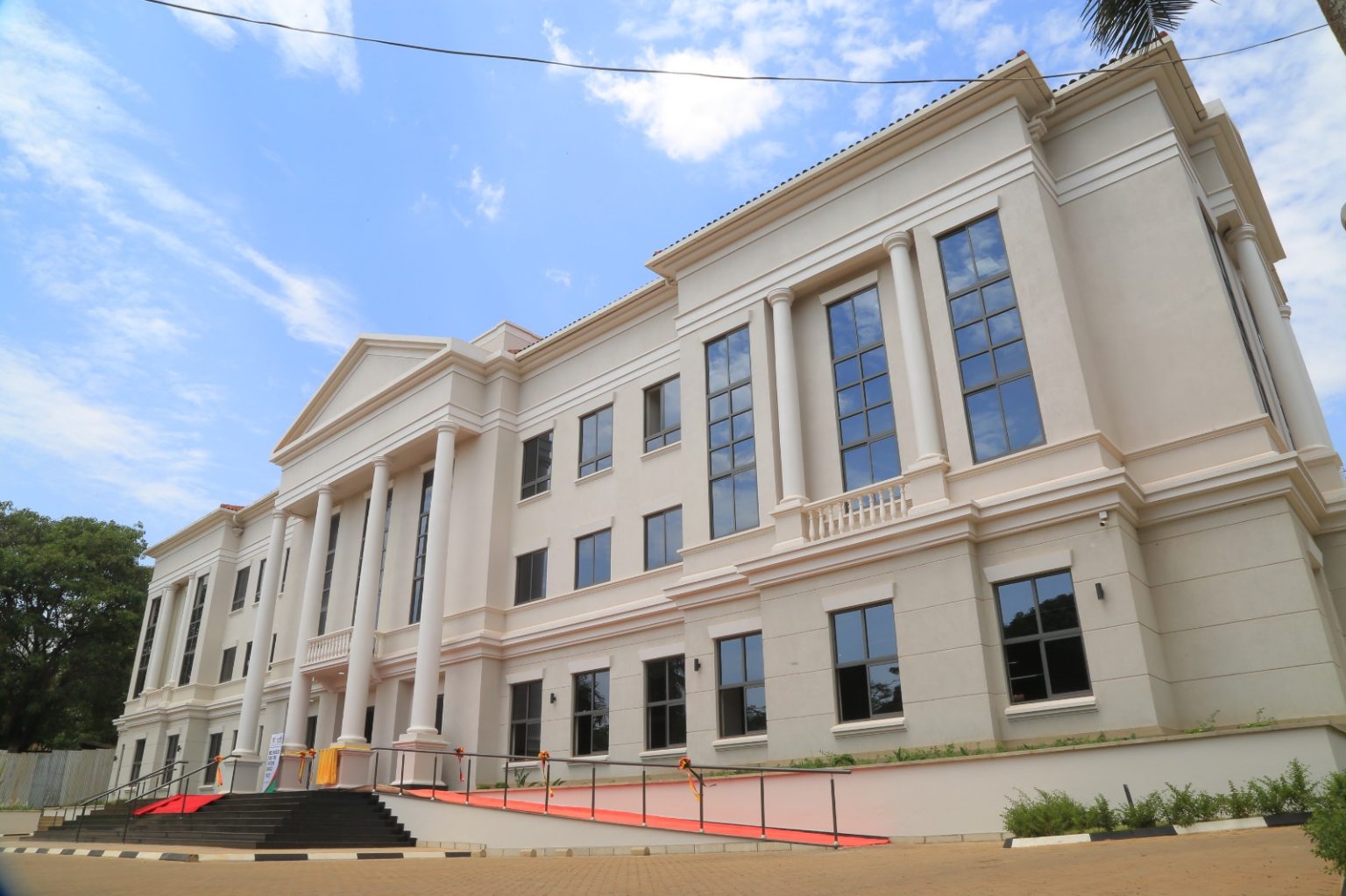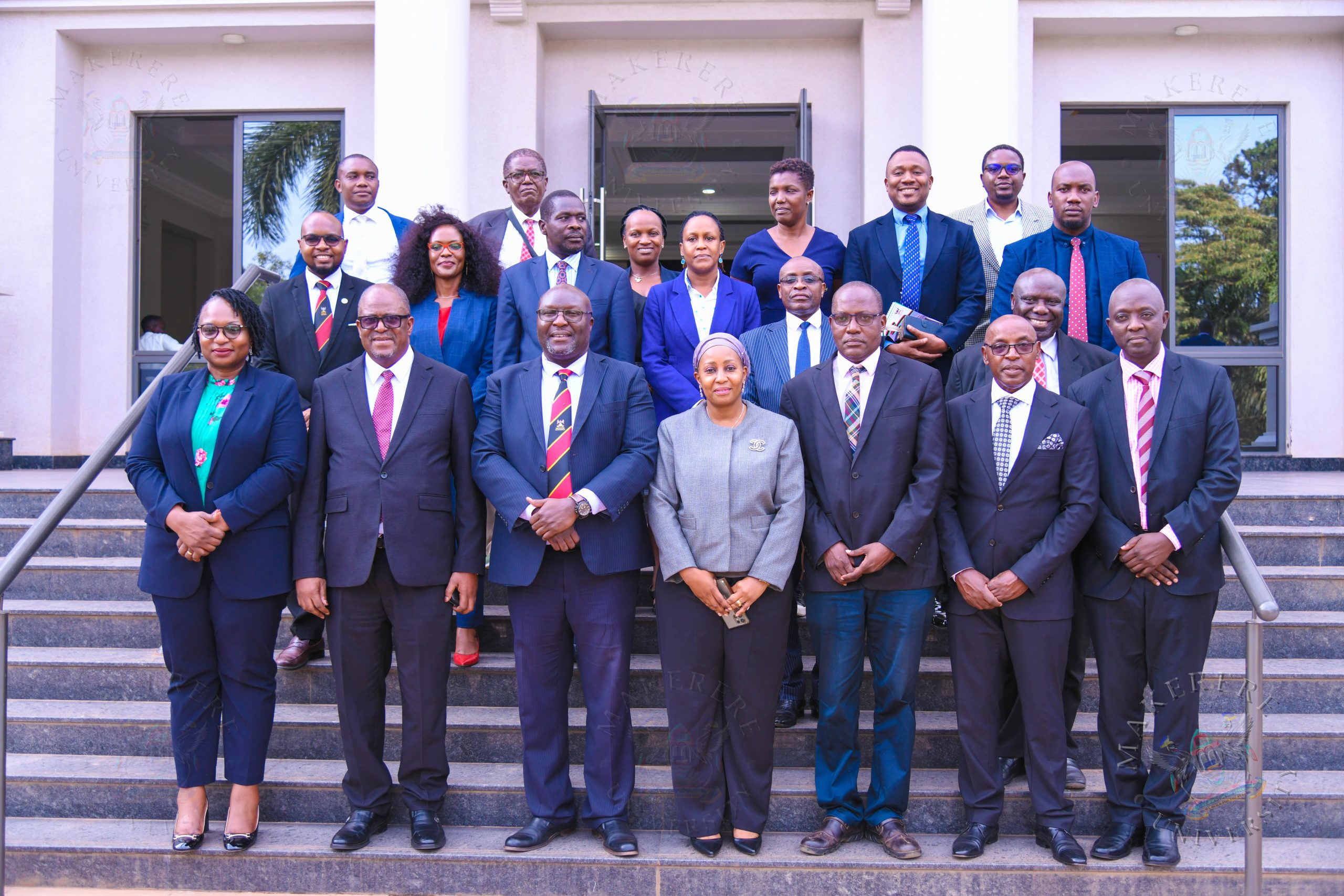
Makerere School of Law Hosts Chief Justices of Zambia and Uganda
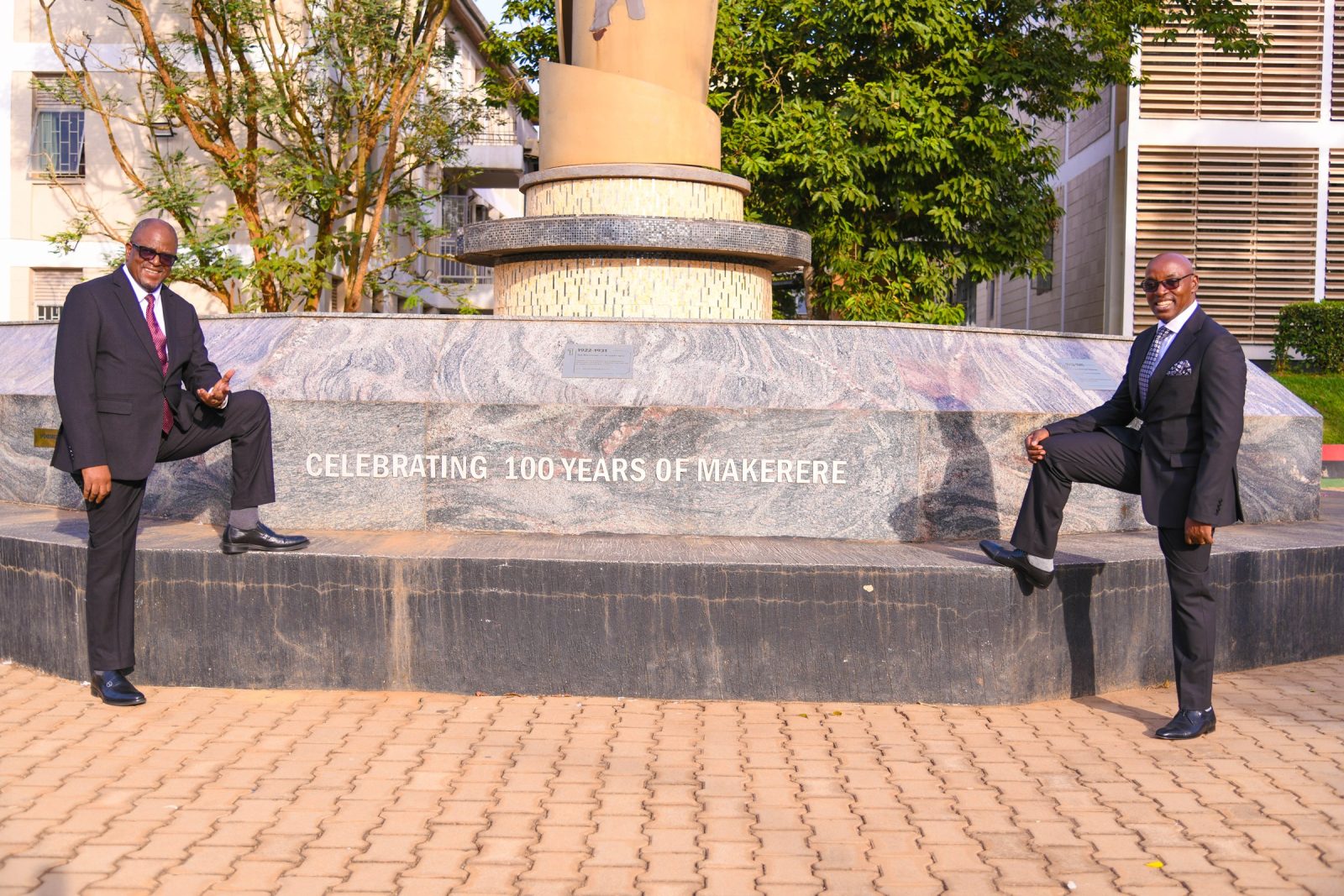
Justice Malila was accompanied by the Chief Justice of Uganda, Hon. Justice Dr. Flavian Zeija, and a delegation from Zambian Judiciary. During the visit, the Zambian Chief Justice engaged with faculty members and students at School of Law and later paid a courtesy call on the Vice Chancellor, represented by the Deputy Vice Chancellor in charge of Finance and Administration, Prof. Henry Alinaitwe.
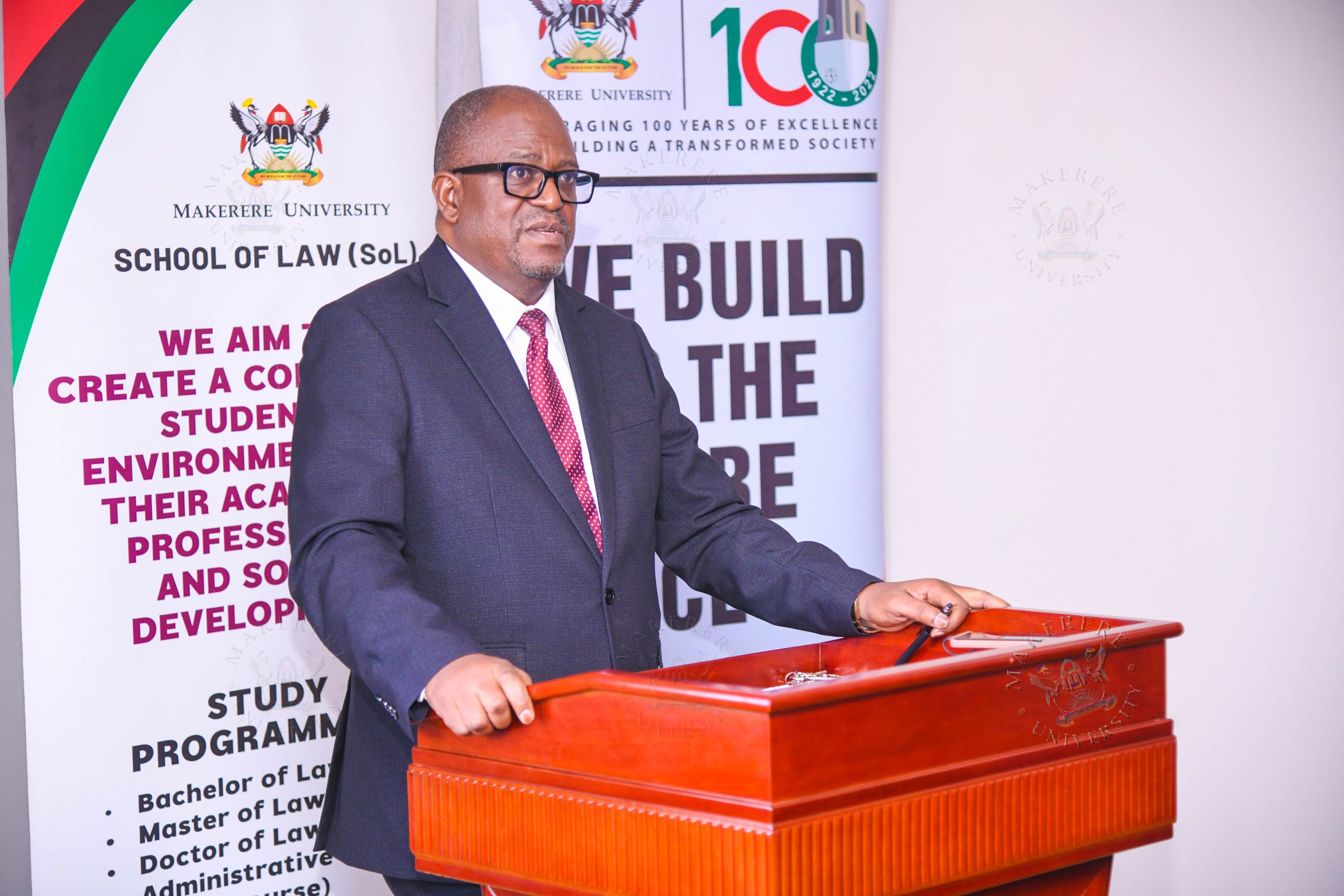
Justice Malila’s visit to Uganda followed his succession of retired Chief Justice Alfonse Owiny-Dollo of Uganda, who was founding Chairperson of the African Chief Justices’ ADR Forum. The Forum’s Secretariat is based in Kampala, making Uganda the venue for the formal handover of leadership and instruments of authority.
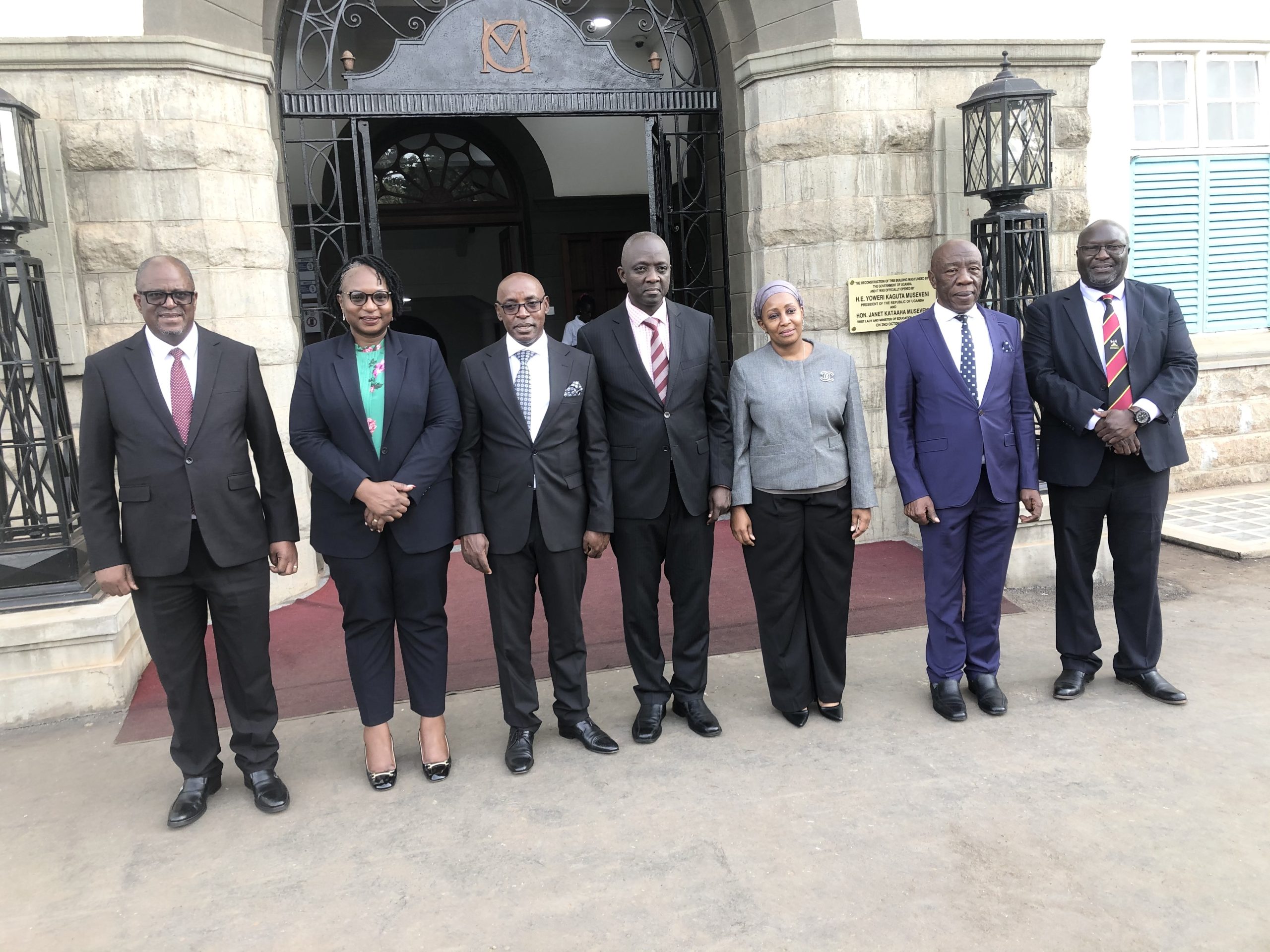
Welcoming the delegation to Makerere, the Dean of the School of Law, Prof. Ronald Naluwairo, congratulated Justice Malila on assuming the continental leadership role and pledged the School’s support towards advancing Alternative Dispute Resolution across Africa.
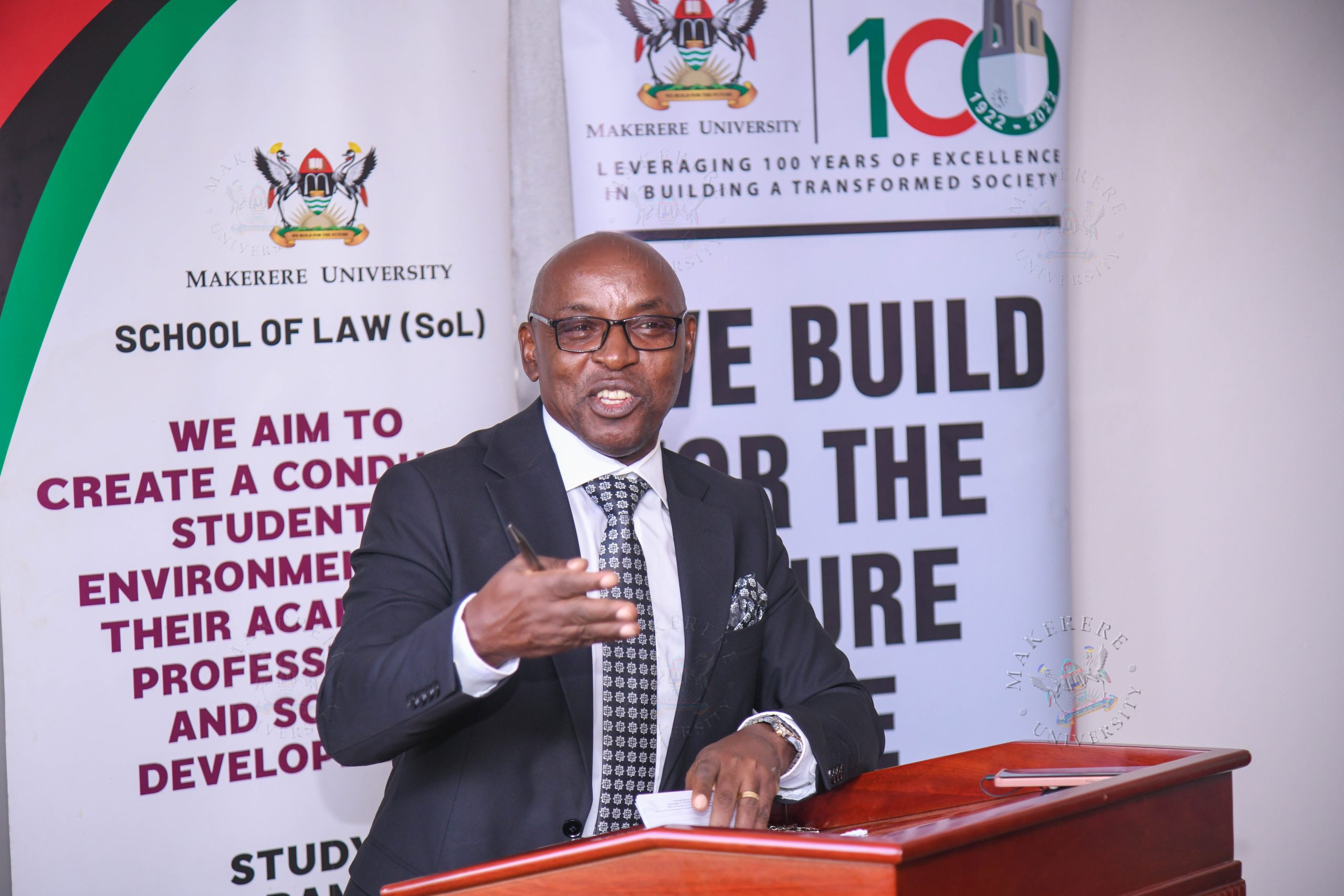
“As the premier Law School in Uganda, we appreciate the importance of ADR in promoting access to justice, expediting the resolution of disputes and enhancing social harmony,” Prof. Naluwairo said. He noted that ADR is now taught as a standalone course in the Bachelor of Laws programme and remains an important area of research within the School.
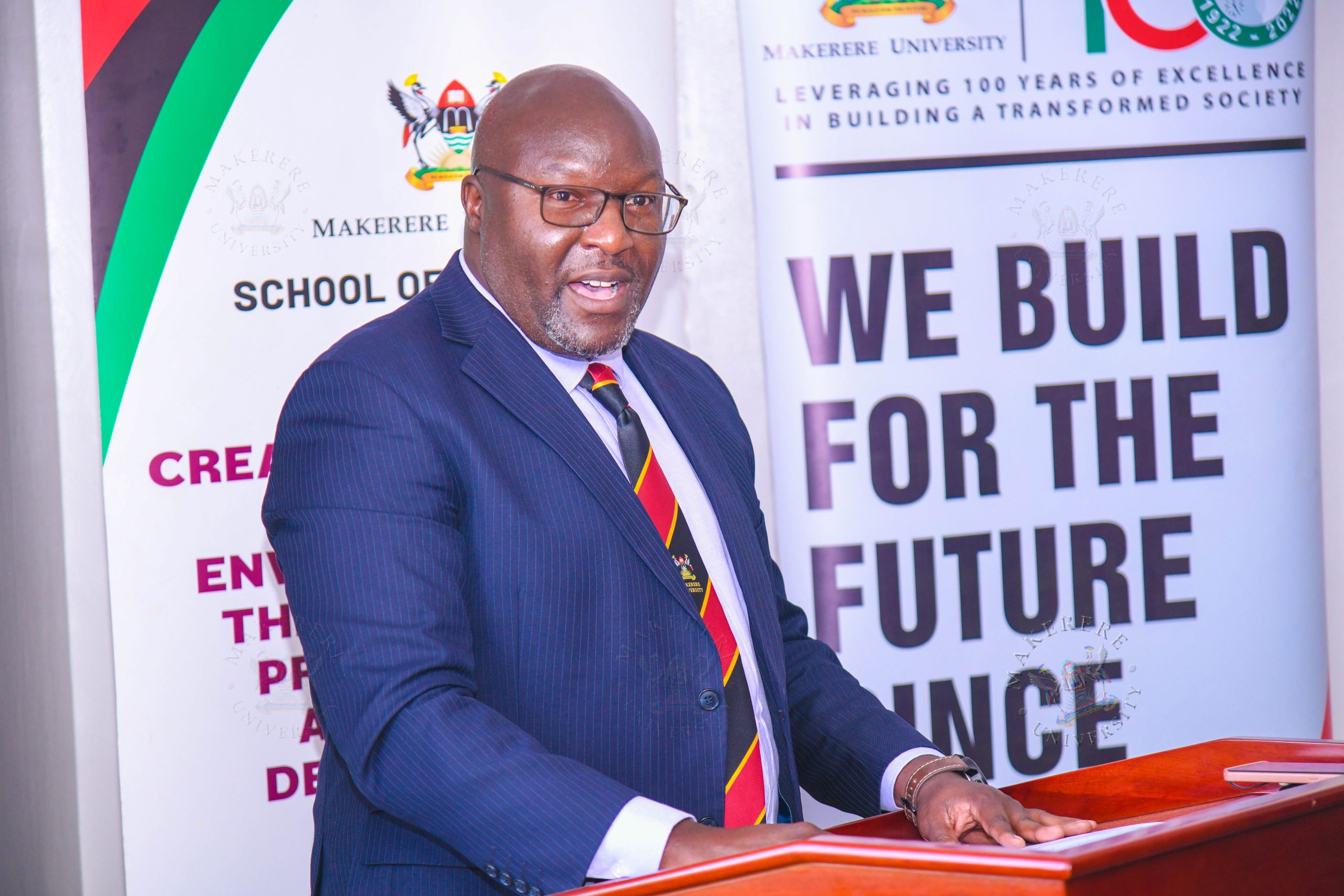
The Dean also emphasized the need for stronger collaboration between legal academia and the judiciary, proposing formal partnerships between Makerere University School of Law, the Judiciary of Uganda and institutions in Zambia.
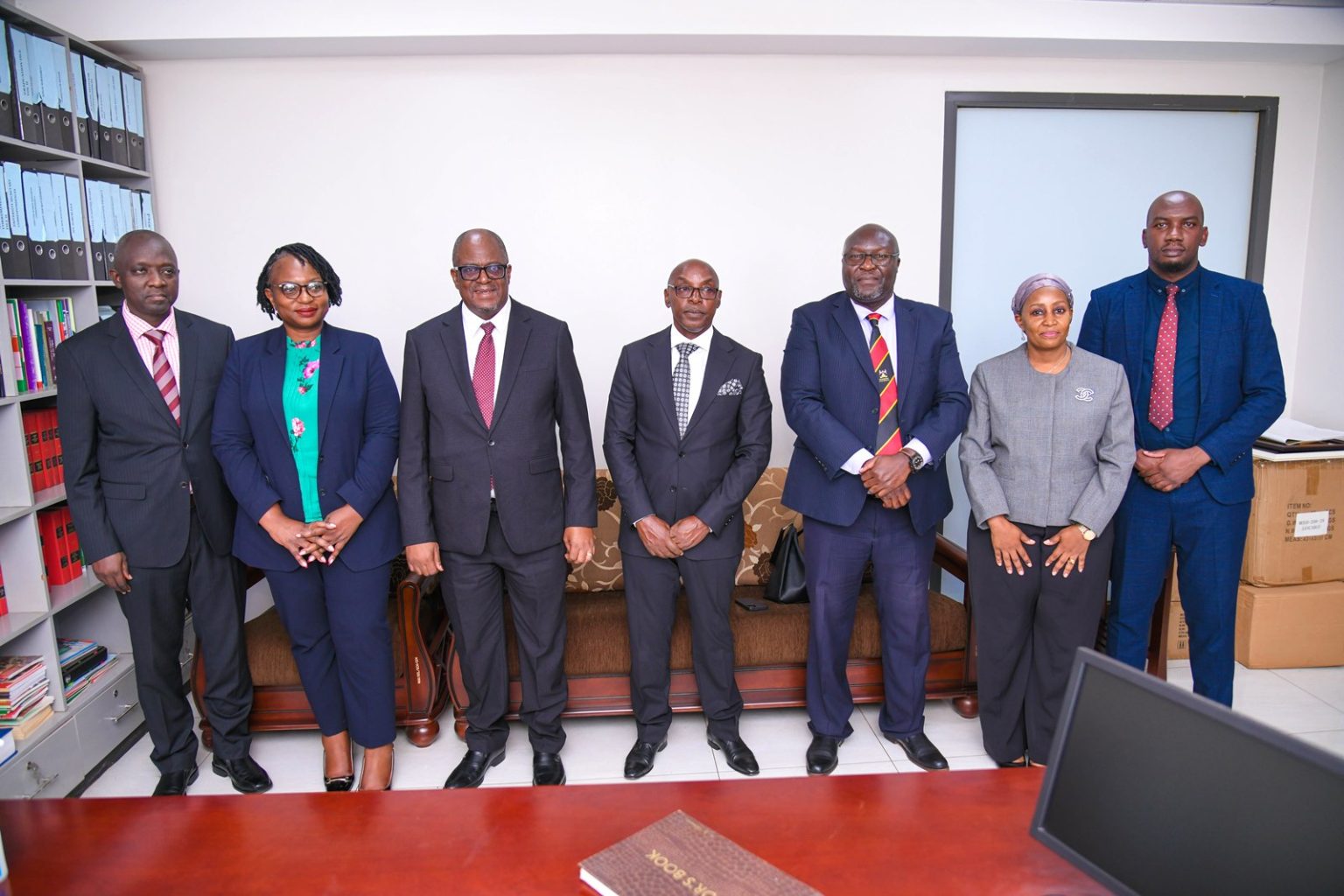
In his remarks, Chief Justice Zeija described the visit as a homecoming, recalling his days as a student at Makerere University‘s School of Law. He praised the School for introducing ADR as a standalone course, observing that during his legal training, dispute resolution was largely taught through the lens of litigation.
“Academia plays a critical role in enriching jurisprudence within the judiciary,” Justice Zeija said, citing the contribution of legal scholars to landmark cases and judicial training programmes. He revealed that the Judiciary had already initiated discussions on formalizing collaboration with the School of Law through a Memorandum of Understanding.
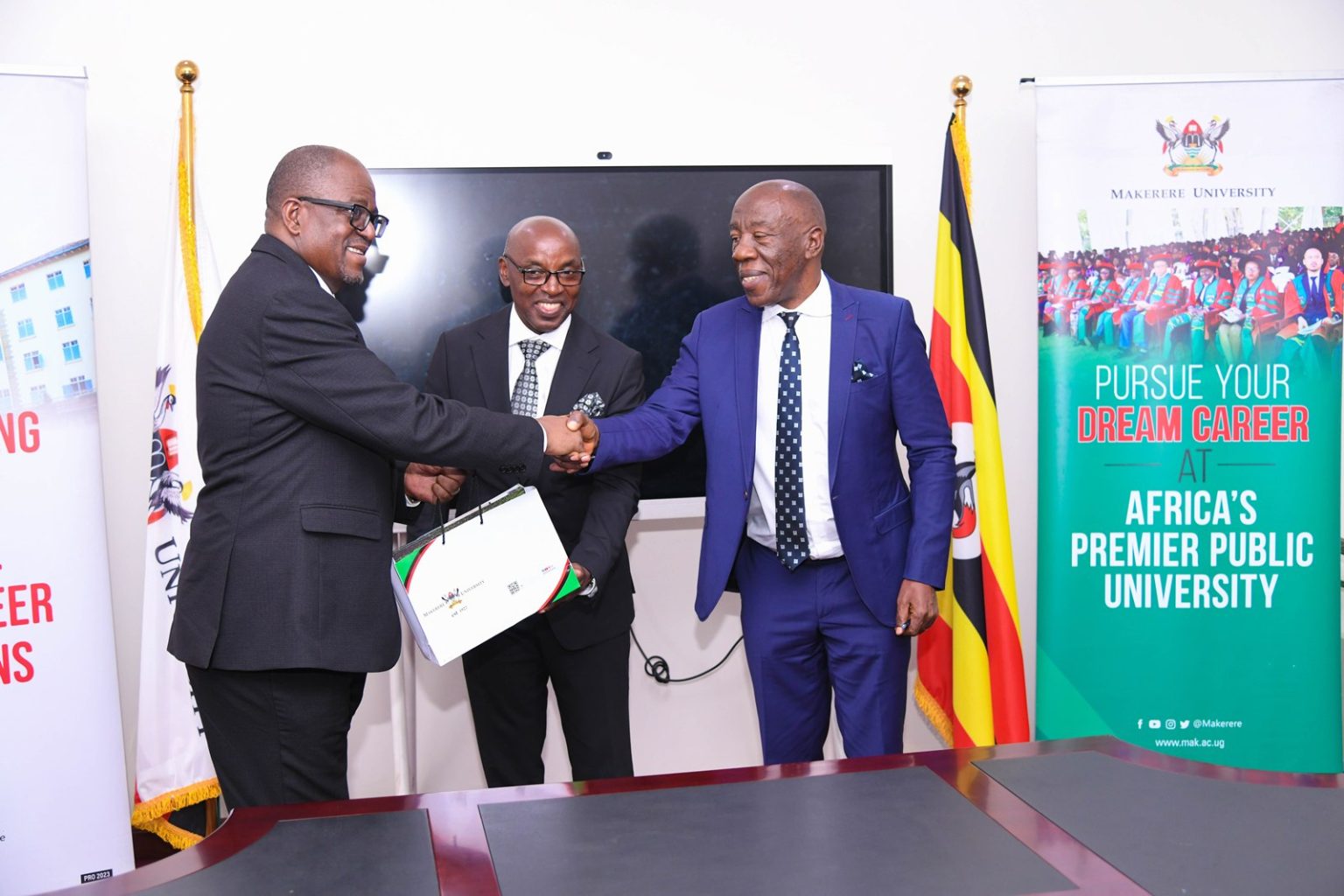
Justice Malila, who spent many years teaching at the University of Zambia before joining the judiciary, reflected on the enduring influence of academic life and the pride lecturers feel when they see former students excel in their professions.
“I spent a long time teaching in a law school, and once you have lived the academic life, you always feel a strong connection to universities,” he said.
The Zambian Chief Justice spoke warmly about Makerere University‘s longstanding reputation as one of Africa’s leading institutions of higher learning. Recalling debates from his student days about the “Oxford of Africa,” he said Makerere‘s reputation had been built on decades of academic excellence and the outstanding achievements of its graduates across the continent.
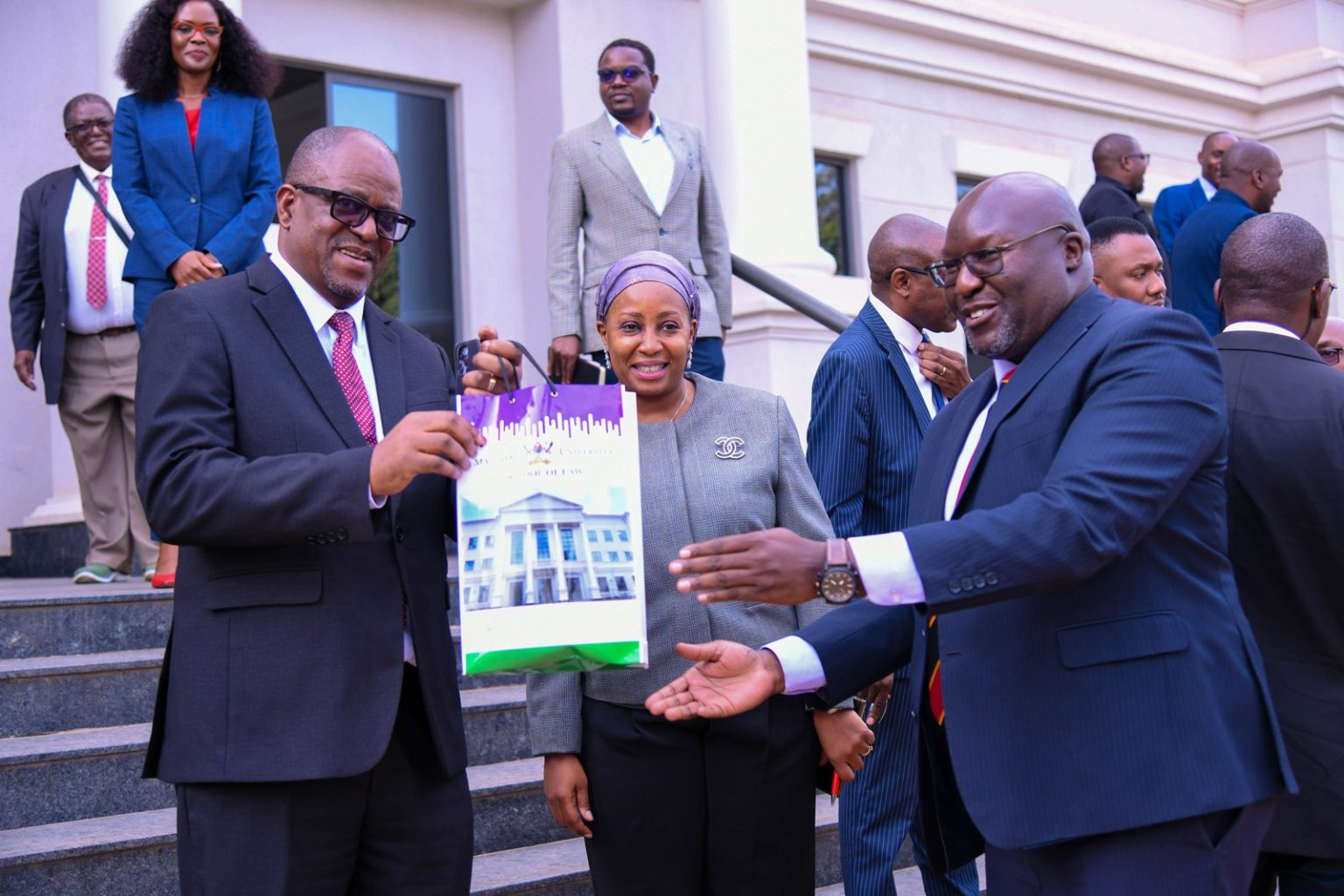
“Makerere possesses the history, reputation, goodwill and intellectual heritage that command respect throughout Africa,” he remarked, urging the University community to continue safeguarding and strengthening its standards.
Justice Malila welcomed Makerere‘s decision to teach ADR as a standalone discipline, describing it as a significant contribution to the Forum’s efforts to promote alternative dispute resolution across Africa.
“One of the objectives of the African Chief Justices’ ADR Forum is to engage universities and colleges in disseminating knowledge and appreciation of ADR. We hope to reach a point where students can enroll specifically to study ADR and graduate as professional ADR practitioners,” he said.
He noted that many legal systems continue to focus heavily on adversarial litigation and stressed the need to prepare future legal professionals for alternative approaches to resolving disputes.
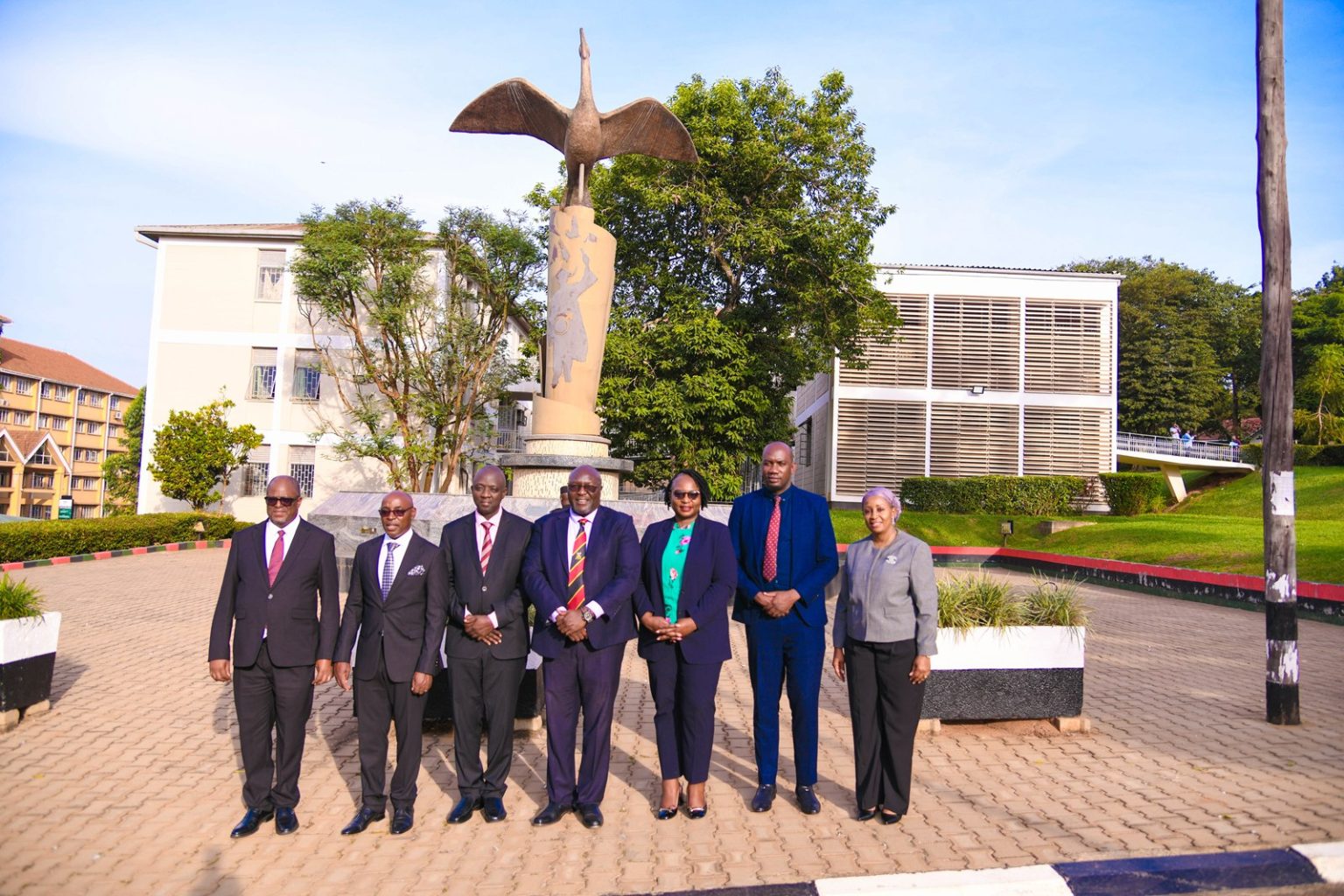
The visit also highlighted the deep historical ties between Makerere University and the legal profession across Africa. During the interaction, Justice Malila revealed that his first academic journal article was published in the East African Journal of Peace and Human Rights following encouragement from a Makerere academic, giving him a personal connection to the University.
At the conclusion of the visit, both Chief Justices emphasized the importance of strengthening partnerships between universities and judiciaries in advancing legal scholarship, judicial training and access to justice.
The delegation later paid a courtesy call on Makerere University‘s Vice Chancellor, Prof. Barnabas Nawangwe, represented by the Deputy Vice Chancellor in charge of Finance and Administration, where discussions focused on strengthening academic and professional collaboration between institutions in Uganda and Zambia. The visit reinforced Makerere University School of Law’s position as a leading centre for legal education and research in Africa and underscored the growing role of universities in promoting Alternative Dispute Resolution as an important pillar of access to justice on the continent.
Article by Betty Kyakuwa
Drive link for more photos: https://drive.google.com/drive/folders/1z9ES2lTEggOXbWd6yg7MPHO6cQ-4_D3l?usp=drive_link