Enhancing Legal Education: Capacity Building Workshop for Competence-Based and Clinical Teaching at Makerere Law School
Uganda’s higher education system is undergoing a transformative shift through the adoption of a competency-based curriculum (CBC) starting in 2026-2027, aimed at producing graduates with both theoretical knowledge and practical skills suited to the modern labor market. This shift emphasizes balancing doctrinal learning with experiential and clinical legal education, necessitating increased capacity among faculty members, many of whom currently lack formal training in curriculum development, assessment methods, and clinical supervision. Aligning with national development goals focused on human capital and ethical workforce development, the reform seeks to produce well-rounded, adaptable legal professionals equipped to address Uganda’s socio-economic challenges.
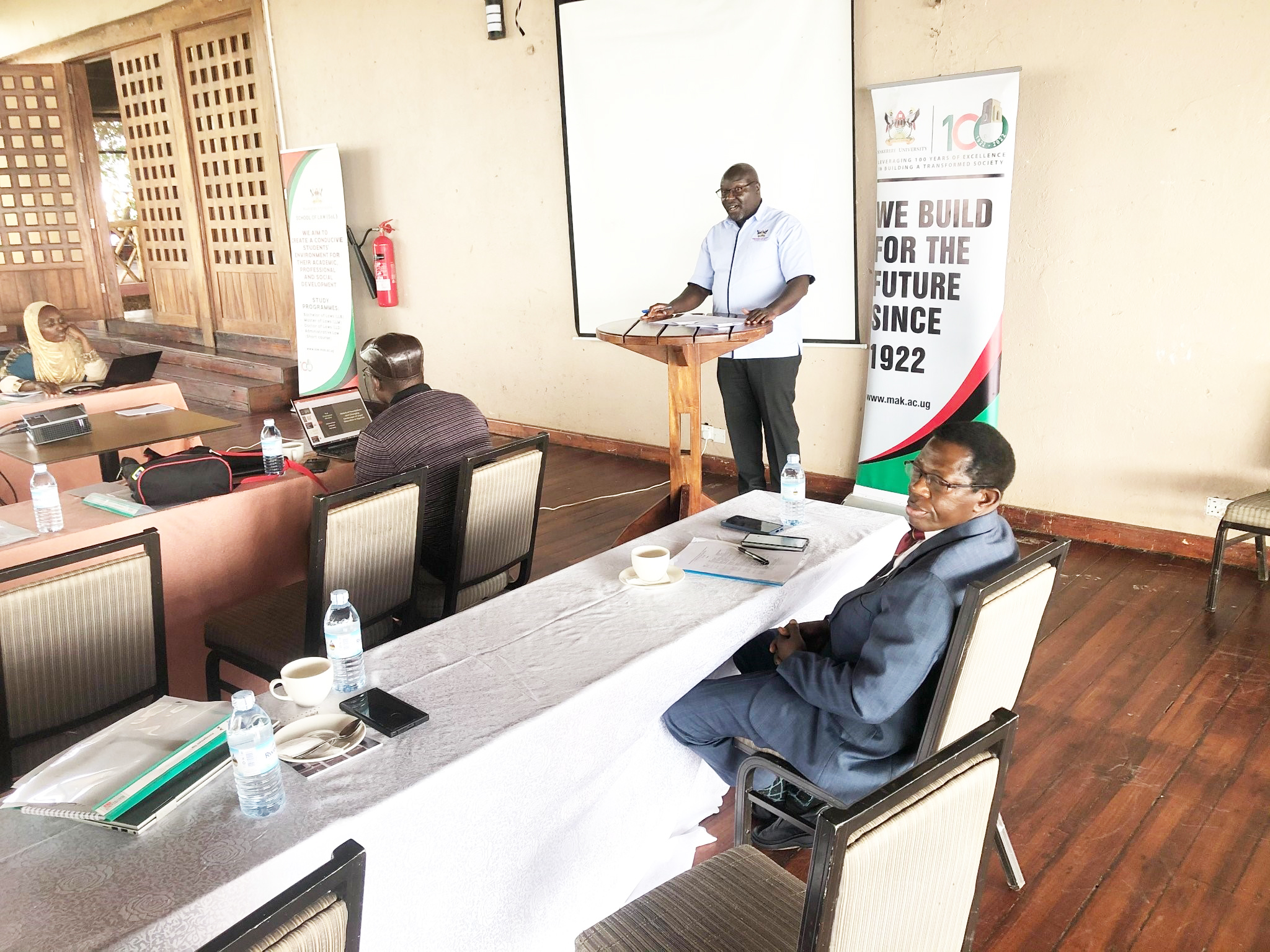
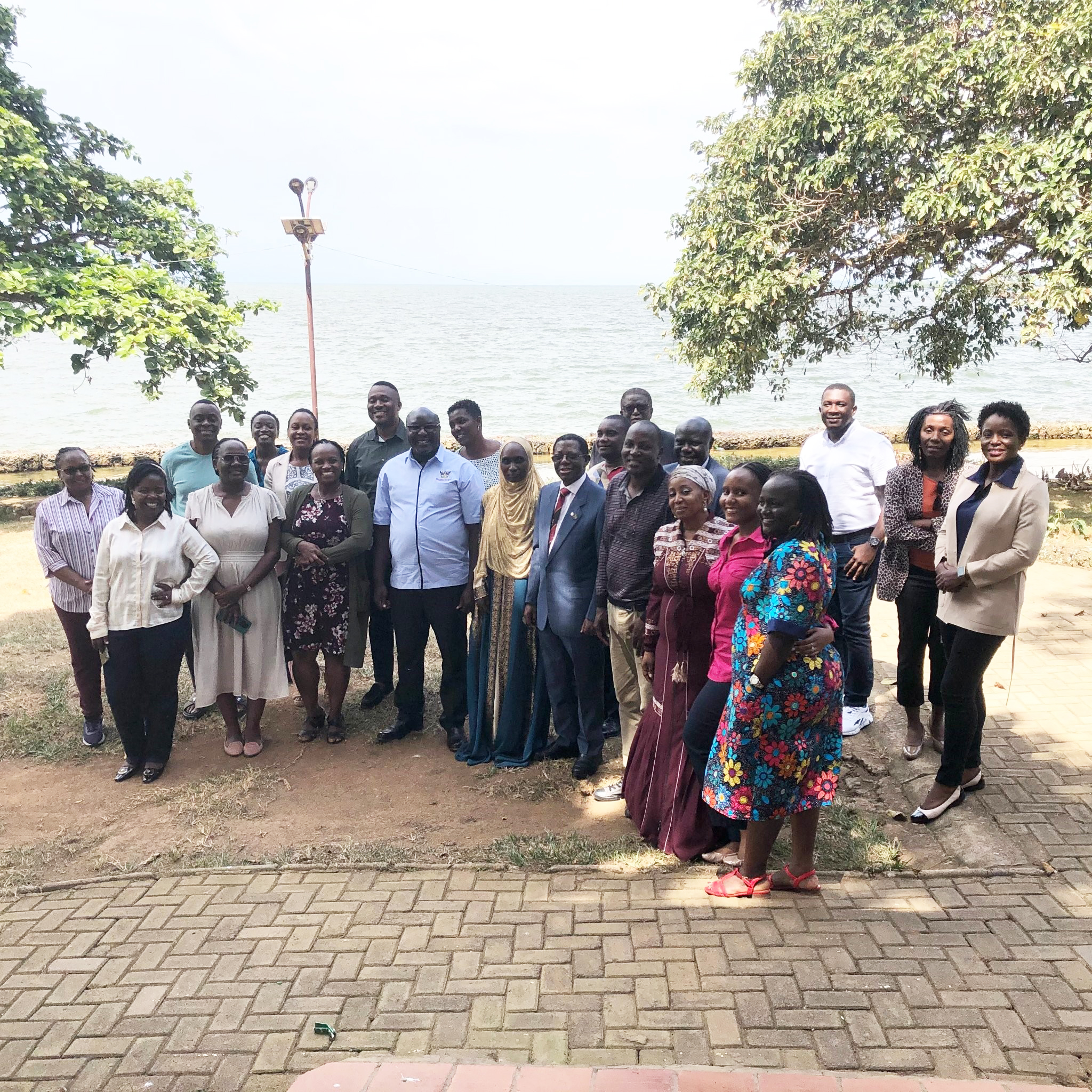
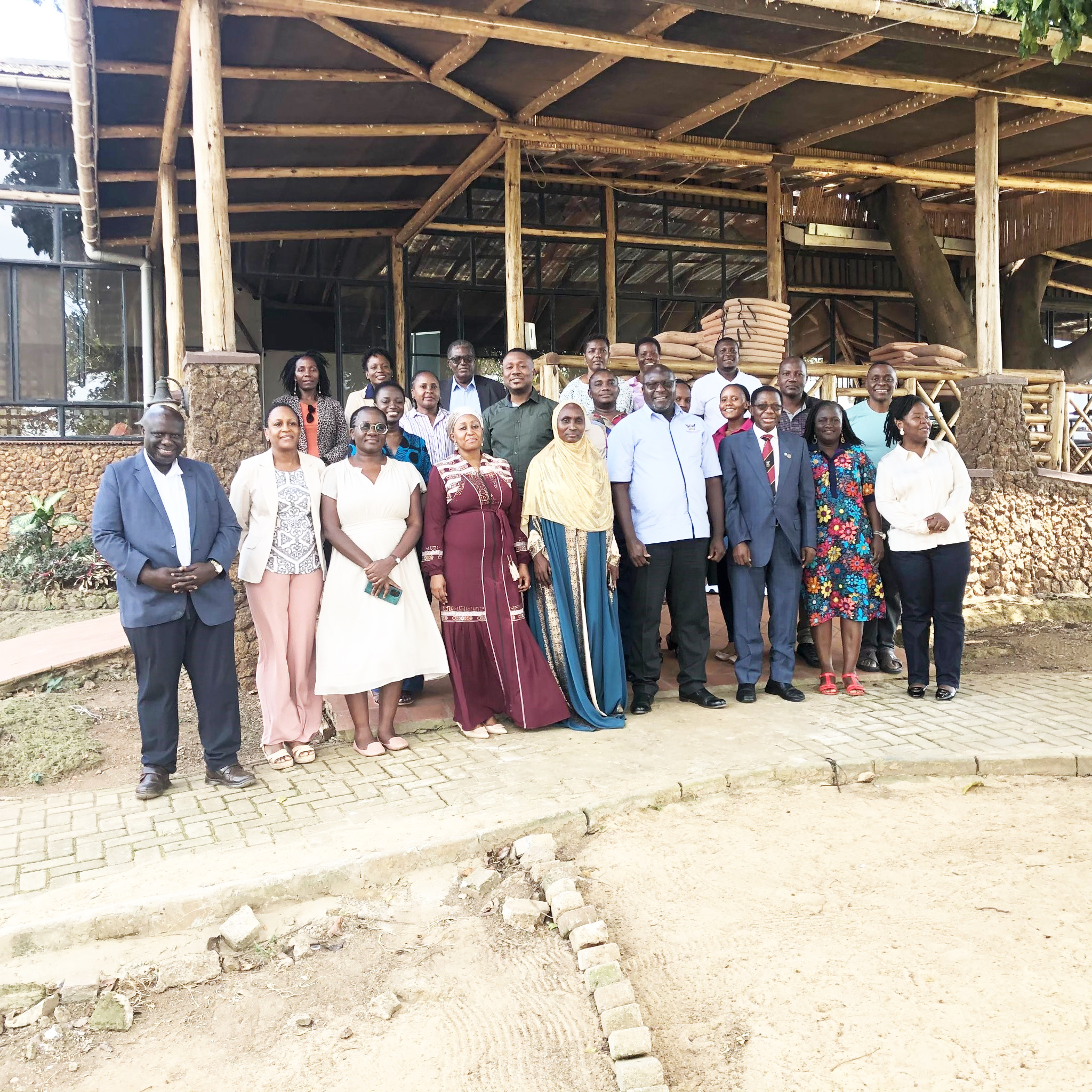
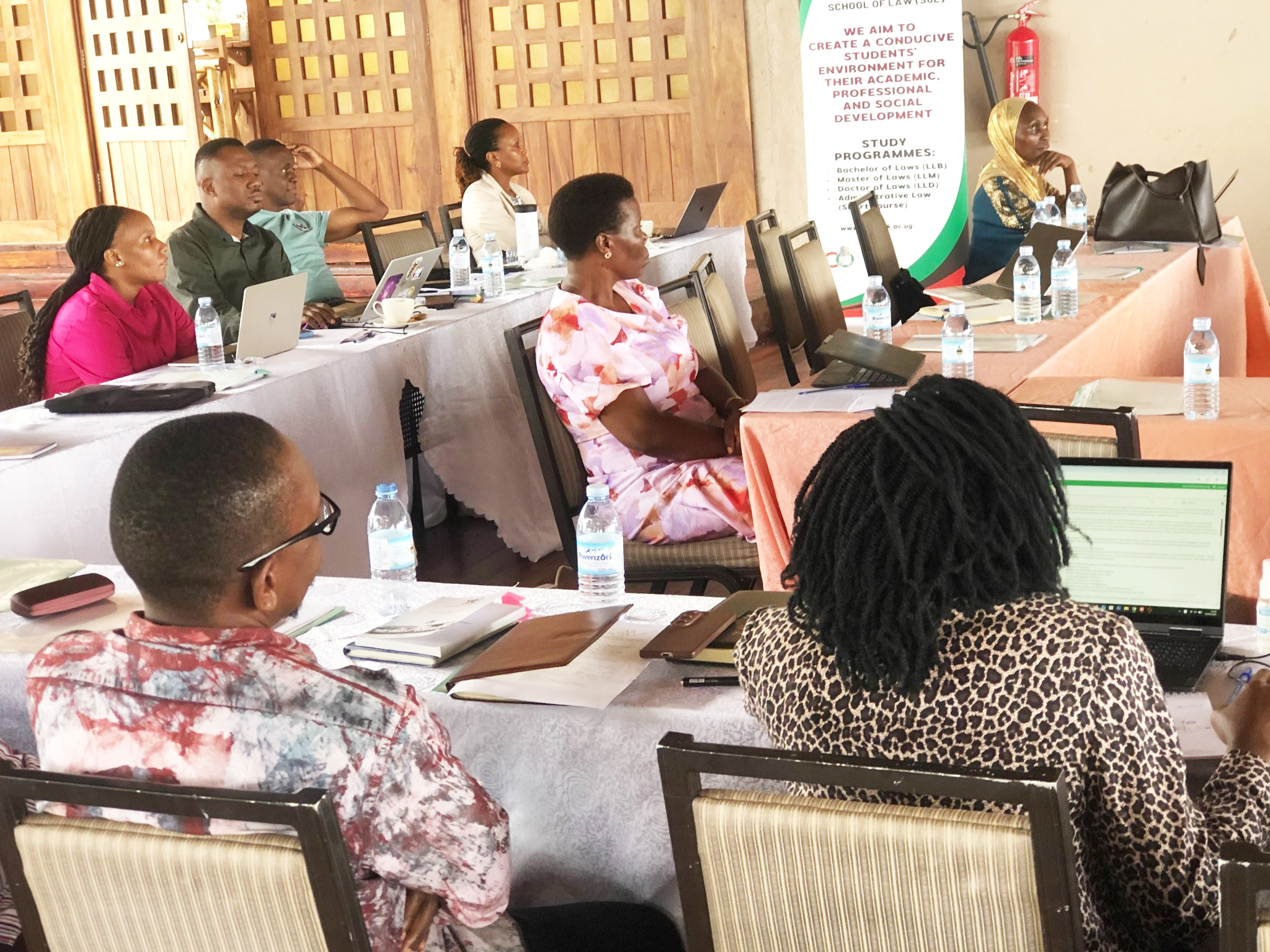
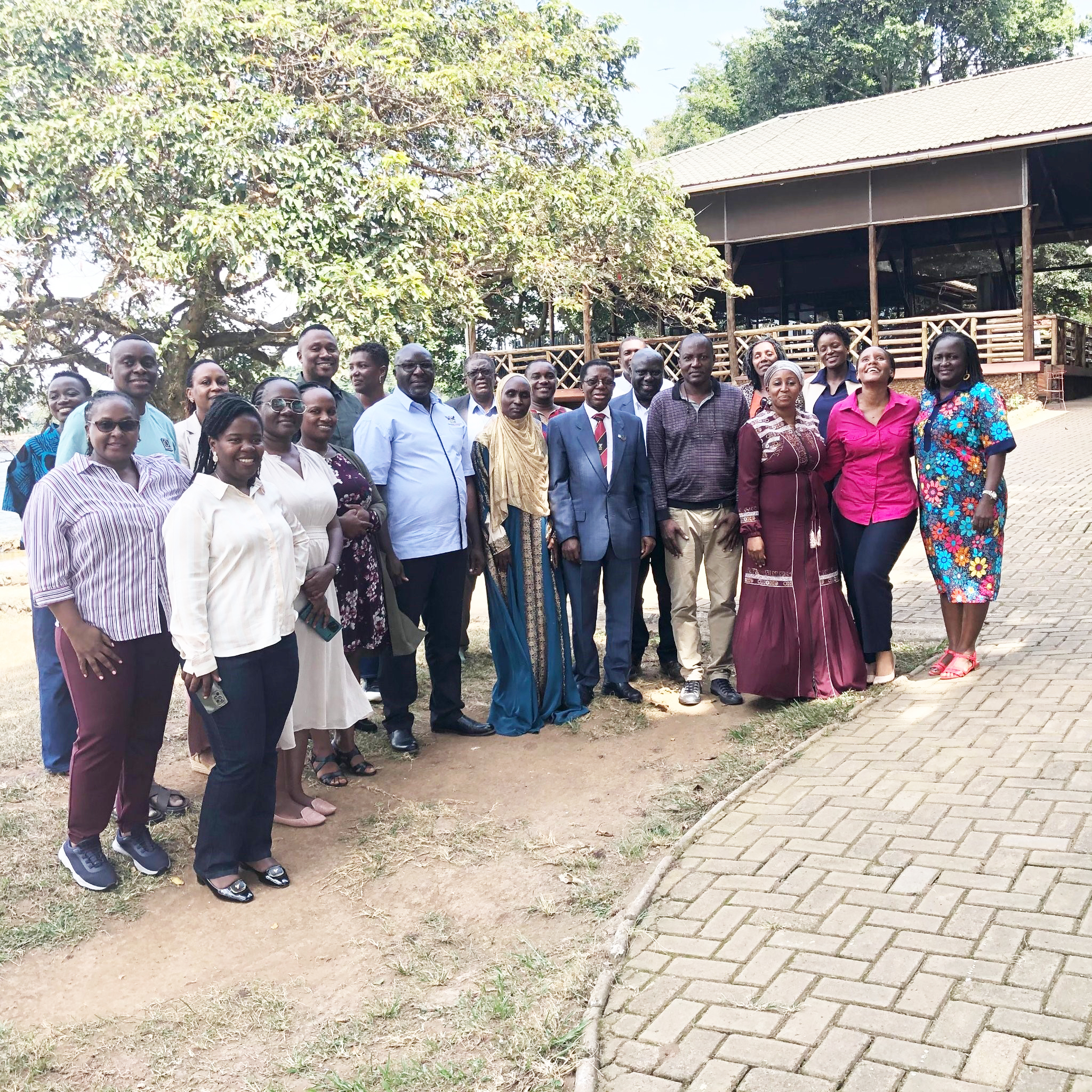
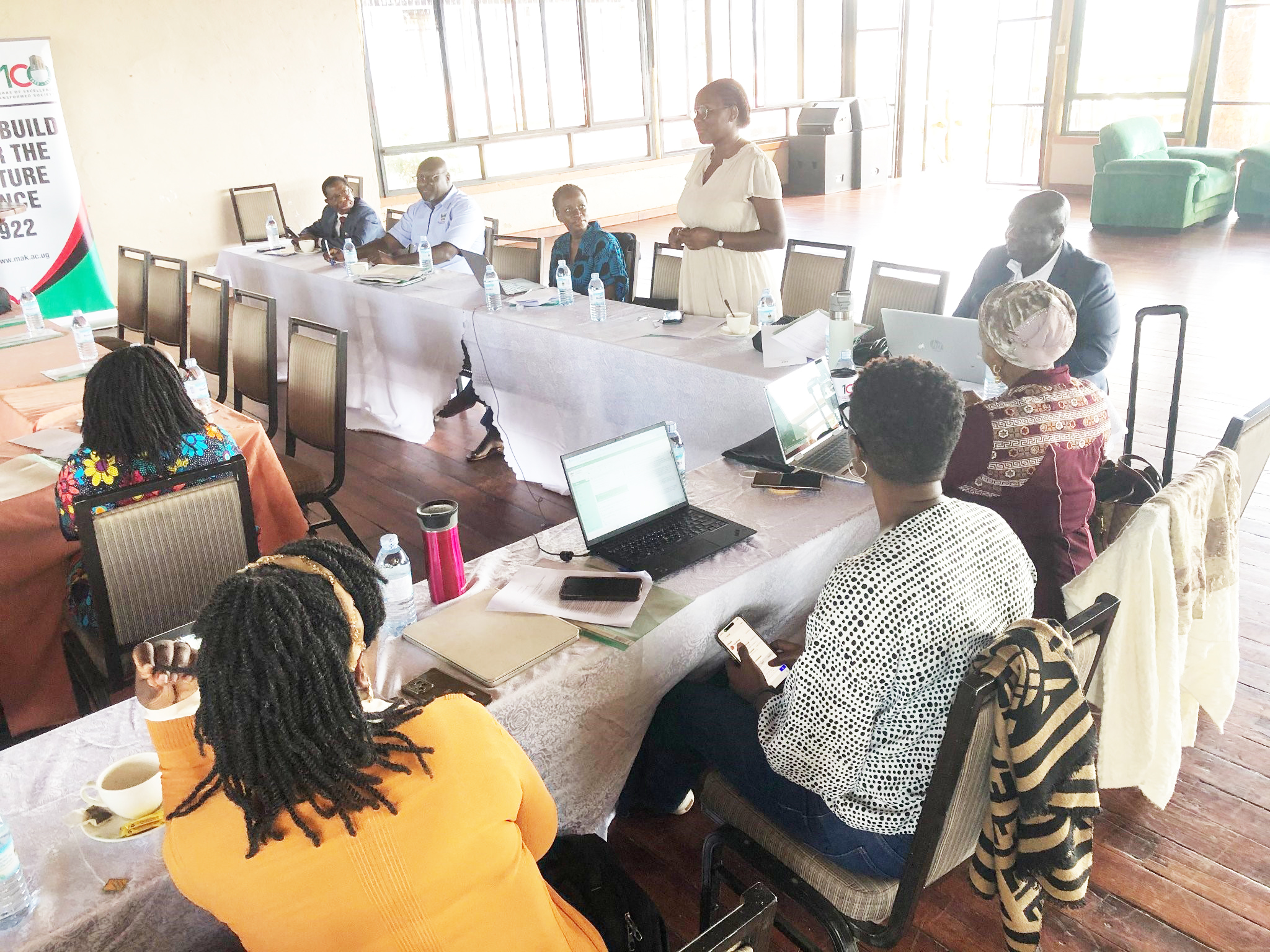
In response, Makerere University’s School of Law organized a capacity-building workshop on June 19th, 2026, at Kalanoga Resort Beach, to strengthen lecturers’ skills in delivering practical legal education. The workshop was attended by a diverse group of professionals, including representatives from Makerere University, National Curriculum Development Centre, and the Islamic University in Uganda.
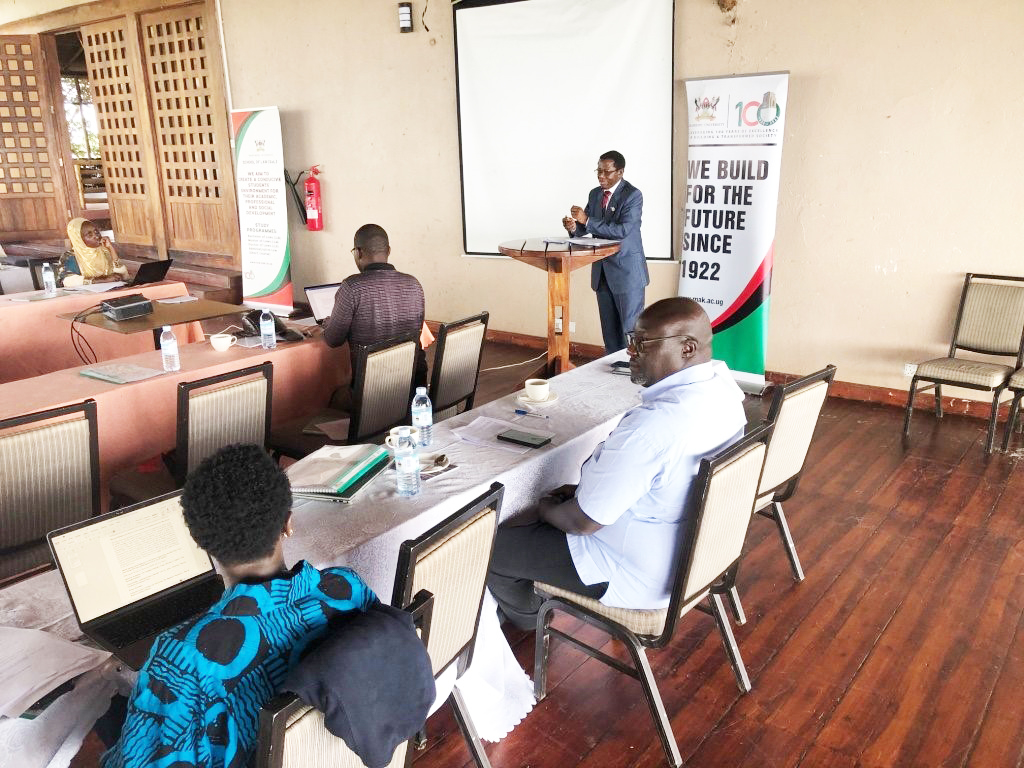
This initiative underscores Makerere Law School’s dedication to producing practice-ready legal professionals through continuous faculty development and experiential learning. The workshop focused on equipping faculty with innovative teaching strategies, assessment techniques, and clinical supervision skills essential for effective curriculum implementation. Beyond faculty development, Makerere Law School has advanced its commitment to experiential learning through its Public Interest Law Clinic (PILAC).
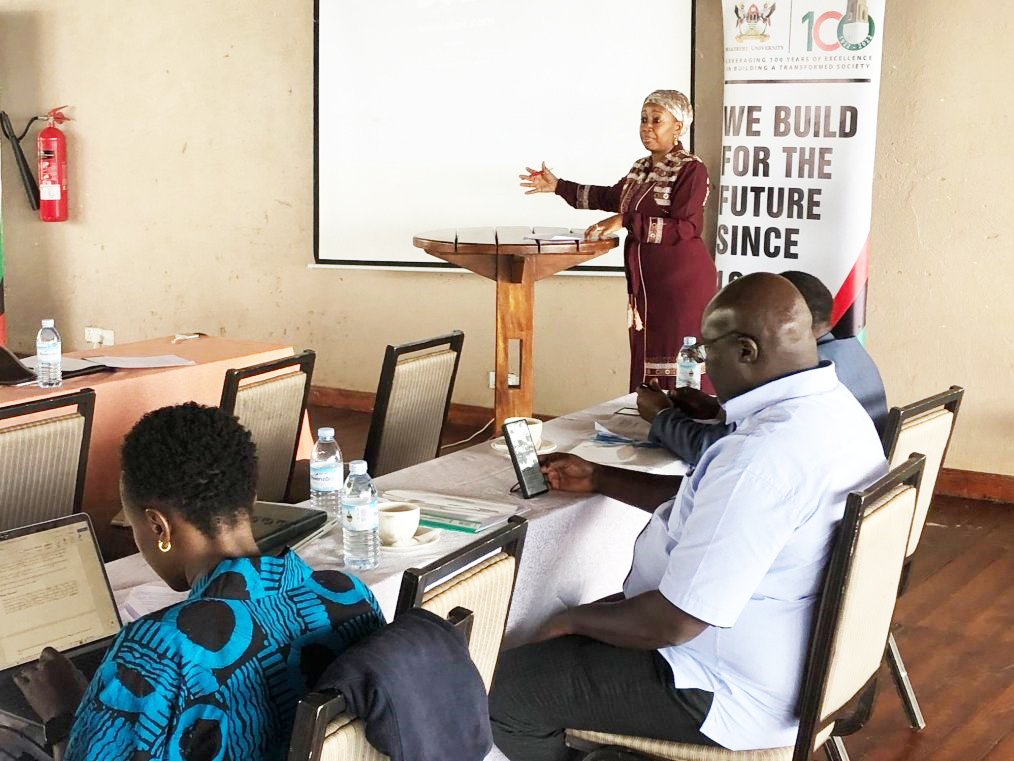
Remarks by Participants
In his opening remarks, Prof. Ronald Naluwairo, the Principal School of Law, Makerere University highlighted a diverse set of practical experiences offered by the PILAC—including internships, externships, moot court competitions, legal aid outreach, simulation exercises, public interest litigation, and community legal literacy programs, that foster students’ legal skills, ethical awareness, and community engagement. These comprehensive efforts aim to cultivate a new generation of ethically grounded, community-oriented legal professionals ready to contribute meaningfully to Uganda’s development.
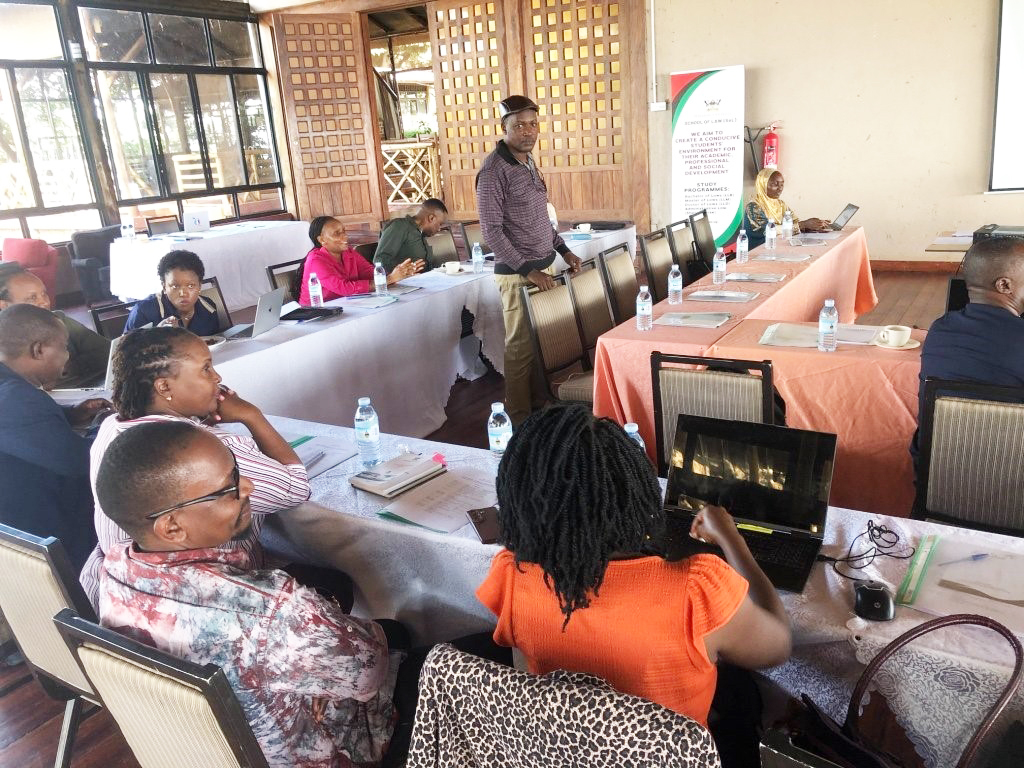
In his remarks, Professor Mukadas Buyinza, Academic Registrar, Makerere University emphasized Uganda’s commitment to transforming higher education through the adoption of competency-based and clinical legal education. He highlighted the importance of curriculum redesign, innovative teaching methodologies, and assessment reforms to equip graduates with practical skills, core values, and the right attitudes. Acknowledging the pivotal role of universities in driving socio-economic development, he advocated for sustained investment in capacity building, digital learning, and strategic partnerships. Professor Buyinza also called on institutions to embrace innovation and institutionalize confidence-based approaches to learning. Ultimately, he underscored the critical need for active stakeholder engagement to strengthen Uganda’s leadership in experiential, value-driven legal education—ensuring that graduates are ethically grounded and competently prepared to address societal needs.
Key Highlight from the Trainning
The education system prioritizes comprehensive assessment and curriculum design based on principles like authenticity, reliability, transparency, performance focus, and technology integration to produce ethically and professionally capable graduates. Lecturers play a vital role, requiring competencies in communication, research, curriculum development, technology, and ongoing professional development to adapt to emerging challenges such as AI and digital tools.
Uganda’s shift to competency-based education and curriculum reform aims to produce relevant, skilled, and ethically grounded graduates through innovative teaching, rigorous assessment, and continuous curriculum review involving diverse stakeholder input and international benchmarking. Curricula are systematically updated to align with societal, labor market, and global standards.
Assessment practices include formative, summative, diagnostic, performance-based tasks, self-evaluation, and peer review, guided by principles of authenticity, reliability, transparency, and technological use. Both traditional and innovative methods like interviews, debates, projects, and exams are employed.
Educational programs focus on developing diverse competencies, including foundational knowledge, critical thinking, social skills, practical skills, communication, ethics, digital literacy, research, lifelong learning, and vocational skills. Pedagogical approaches such as case-based learning, collaborative activities, environment and community-based learning, and digital platforms promote active engagement and practical skills, ensuring relevant and adaptable higher education.

Innovative practical teaching approaches incorporate community engagement and real-world assessments, to enhance student learning and relevance. There is need for careful student grouping, honest assessment, and resource allocation, including budgeting and support for field activities and student mobility, to effectively implement reforms and improve educational outcomes.
Transitioning to competency-based education must focus on developing knowledge, skills, values, and attitudes through student-centered, interactive teaching methods.
Recommended approaches include participatory lectures, simulations, clinics, internships, case studies, problem-based learning, workshops, research projects, seminars, guest speakers, and audiovisual tools—all aimed at ensuring students acquire relevant competencies aligned with national, regional, and institutional goals.