Makerere Hosts Inaugural Inter-University Moot on Digital Health, Privacy and Data Protection
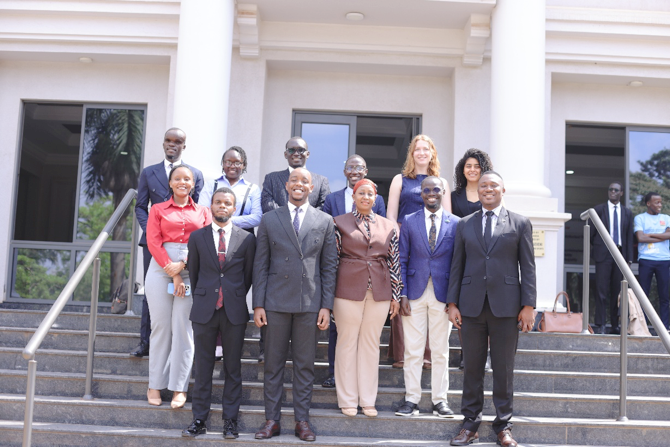
Makerere University School of Law (SoL) hosted the inaugural Digital Health Inter-University Moot Court Competition on 12–13 August 2026, bringing together law students from six Ugandan universities to examine emerging legal and ethical questions arising from the digitisation of healthcare.
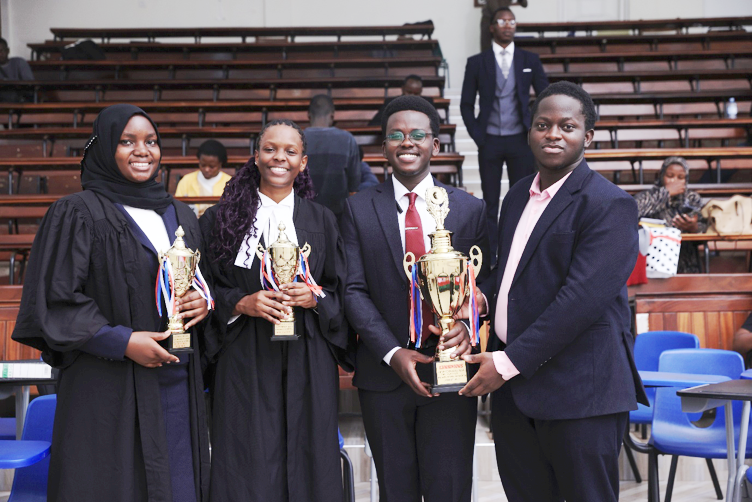
Makerere University emerged as the overall winner, with IUIU School of Law, Kampala Campus, taking the runners-up position. The competition recognised outstanding performances, with Blessing Olga Asianut taking home the award for Best Oralist. IUIU was named Best Memorial, while Makerere Law received the award for Best Amicus Memorial.
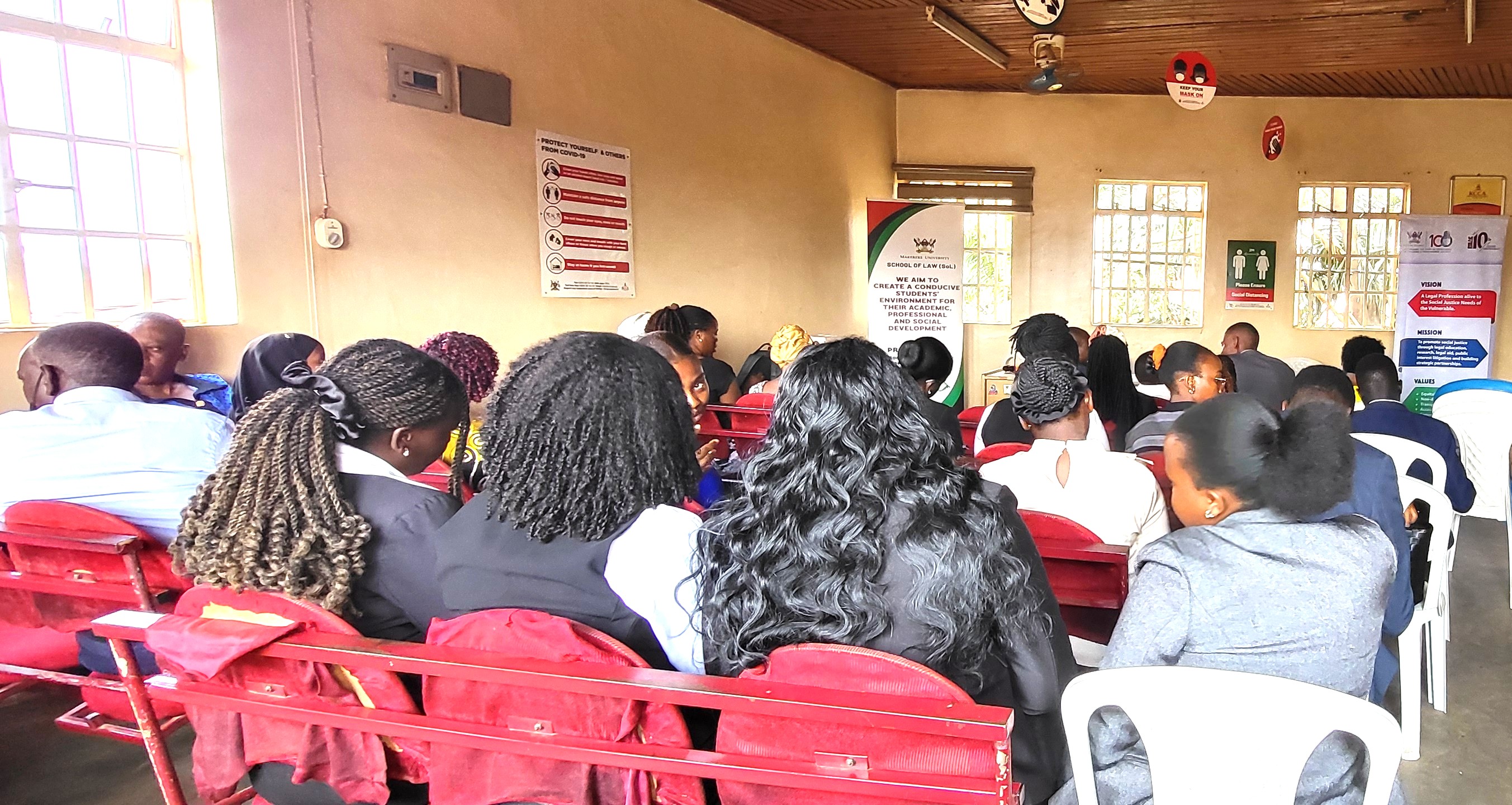
Held in partnership with the University of Warwick, School of Law and supported by the Wellcome Trust, the competition brought together teams from Makerere University, Islamic University in Uganda (IUIU)–Kampala Campus, Kampala International University, King Caesar University, Gulu University and Metropolitan University. The preliminary rounds were held on 12 August, followed by the finals on 13 August before Hon. Lady Justice Patricia Mutesi and Hon. Justice Anthony Wabwire.
Moot Examines Legal Challenges in Digital Healthcare
At the centre of the competition was a hypothetical case before the High Court of Ngalamba, Gracious Asiimwe v. Winner Insurance Company and the Attorney General of Ngalamba. The case examined the legal implications of introducing a nationwide digital health system and required students to grapple with issues of privacy, data protection, informed consent and access to healthcare.
In the fictional dispute, Asiimwe challenged the government and Winner Insurance Company over the alleged failure to protect her sensitive medical information, obtain consent for the collection and use of her health data, and ensure that the digital health system did not undermine access to healthcare.
The case also raised concerns about the transfer of patients’ health data across borders and its use by private entities without consent. It examined interoperability challenges that allegedly forced patients to repeat costly medical tests because different health facilities’ digital systems could not communicate.
Beyond data protection, the moot considered the wider implications of investment in digital health, including claims that public funds had been diverted from hospitals and schools to finance the new system, potentially affecting the delivery of basic services.
Through the hypothetical case, students were challenged to examine how digital health intersects with fundamental rights, government obligations and the ethical use of health technologies.
Professor Sekalala Tasks Students to Question Who Owns Health Data
Speaking during the moot, Professor Sharifah Sekalala, Deputy Head of University of Warwick School of Law and Director of the Centre for Global Health Law highlighted the difficulty of defining health data and determining who owns and controls it. She noted that devices such as smartwatches and fitness trackers collect information including blood pressure and other health indicators, raising questions about who should have the right to use such information.
She questioned whether technology companies should profit from users’ health information without sharing the benefits, particularly where such data contributes to the development of new medicines and treatments.
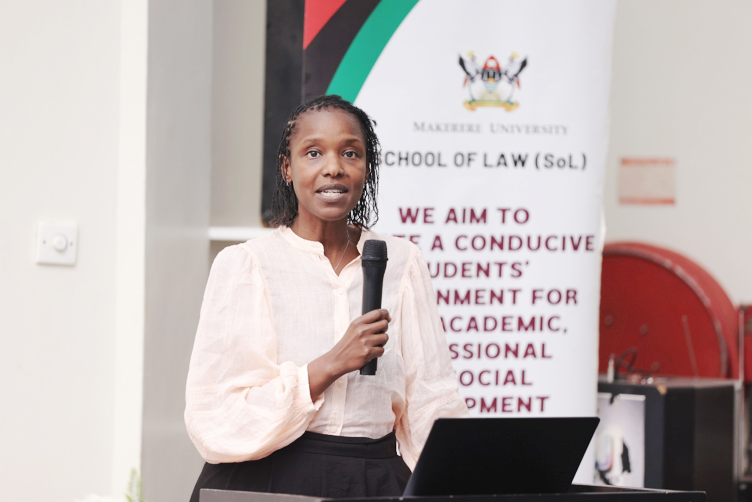
Professor Sekalala also cautioned that unclear ownership and commercial use of health information could undermine trust in health systems and threaten individual and community privacy.
Drawing on her experience at Makerere University, she encouraged students to value their academic foundation, remain curious and think beyond the classroom. She urged them to remain committed to justice, fairness and equity.
Judges Emphasise Depth, Confidence and Persuasion
Hon. Lady Justice Patricia Mutesi and Hon. Justice Anthony Wabwire who moderated the finals commended all participating teams for their hard work, legal knowledge and advocacy skills. They noted that the main differences among the teams emerged in the depth of legal analysis, clarity of presentation, articulation of arguments and responsiveness to questions.
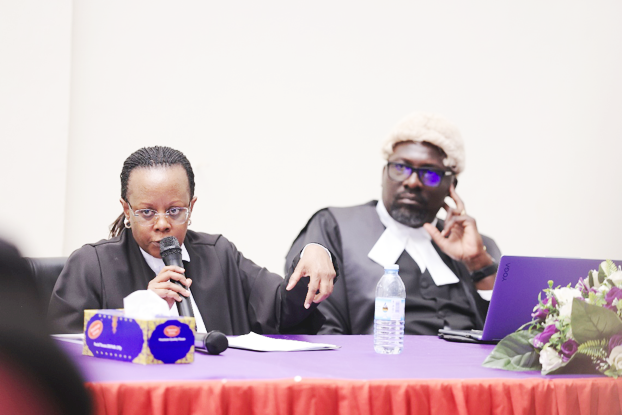

They emphasised that legal knowledge is the foundation of effective advocacy but must be accompanied by deeper engagement with legal principles and relevant interpretations. Confidence was also identified as essential, particularly because advocates in real court proceedings must respond effectively to unexpected questions rather than rely solely on prepared submissions.
The judges observed that the respondent team made strong use of the facts in the case, while the applicant team missed some opportunities despite having favourable facts. Students were also urged to pay close attention to the reliefs sought from court by clearly specifying the damages claimed and the precise orders they want the court to issue.
The panel further emphasised that advocacy is fundamentally about persuasion. Lawyers must communicate effectively through both written and oral submissions while making the best use of limited court time. Students were encouraged to understand and summarise their facts clearly, identify the issues before court and state precisely what they want the court to do.
They were also encouraged to attend proceedings at the Industrial Court, where observing live cases can help them learn how arguments and objections are presented and addressed.
The judges advised students to remain composed when faced with difficult questions, including questions of jurisdiction, and to continue engaging with the court under pressure. They also cautioned students to verify legal authorities and citations carefully, particularly in an era of artificial intelligence where inaccurate or fabricated legal authorities can easily be generated.
In their concluding remarks, Hon. Lady Justice Patricia Mutesi and Hon. Justice Anthony Wabwire commended the students for the skills demonstrated during the competition. They reminded them that advocacy is an art requiring depth of knowledge, confidence, clear articulation of facts and responsiveness to questions.
They encouraged the students to continue strengthening their legal knowledge, research and advocacy skills, noting that a strong grasp of the law enables lawyers to persuade the court with greater clarity and confidence.
Moot Provides a Platform for Learning and Collaboration
In her closing remarks, Dr. Zahara Nampewo, Deputy Dean at SoL thanked the organisers, participants and university community for making the moot a valuable learning experience. She noted that the feedback session was intended to help students learn from the process rather than simply focus on the results.
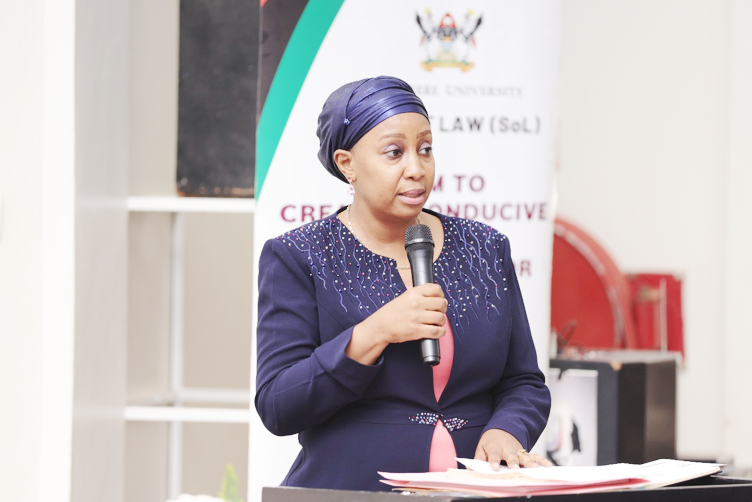
She also reflected on the long-standing relationships among some participants, who had studied together from primary school through secondary school, law school and the Law Development Centre.
Dr. Nampewo expressed confidence in the deliberations and thanked the university community, the participating teams and Dr. Daniel Ruhweza, Coordinator of Mooting at SoL for their contributions. The event concluded with the presentation of tokens of appreciation to the participating team and Dr. Ruhweza.
In his address to the congregation, Dr. Daniel Ruhweza, Head-Department of Law and Jurisprudence and Mooting Coordinator at SoL thanked all partners for their invaluable support, the SoL management for providing an enabling environment, and the participating universities for their commitment to the competition.

He expressed his appreciation to the University of Warwick and the Wellcome Trust for their invaluable support in making the event possible. He also recognised Ms. Hadijah Namyalo, a faculty member in his department who is currently pursuing her PhD at the University of Warwick, for initiating the collaboration.
Dr. Ruhweza also commended the students for their hard work, dedication and thoughtful engagement throughout the moot, noting that their participation demonstrates the growing role of legal expertise in addressing emerging issues in digital health.
The inaugural moot provided a platform for students to test their advocacy skills while engaging with emerging questions at the intersection of law, technology and healthcare. It also underscored the need for future lawyers to understand not only the law governing digital health, but also the ethical, social and human rights implications of increasingly digital healthcare systems.