Inaugural Criminal Justice System Conference at SoL
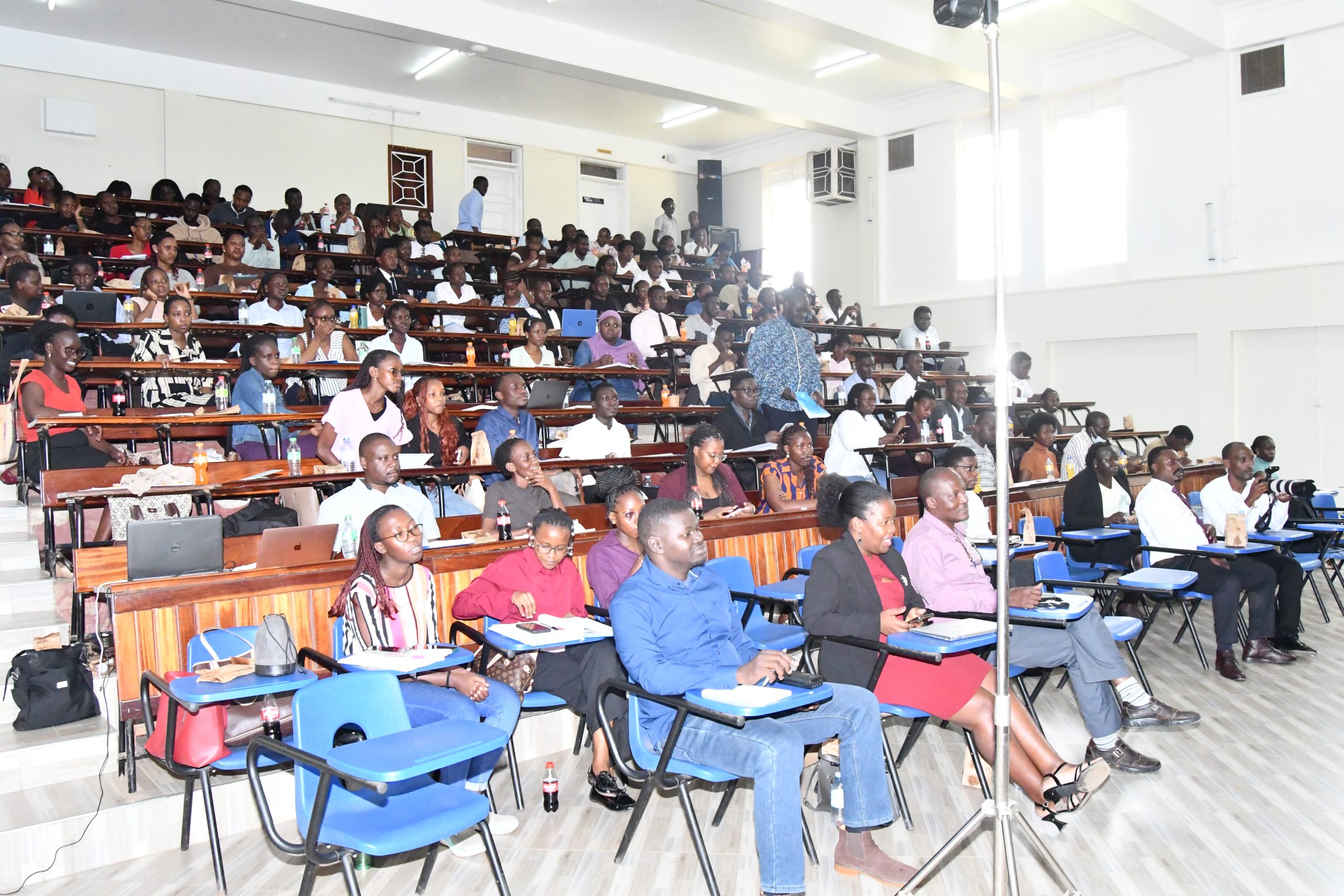
The Public Interest Law Clinic (PILAC) of Makerere University School of Law (SoL) organised and hosted the Inaugural Annual Criminal Justice System Conference on 13th May 2026 in the SoL Auditorium.
The conference themed, ‘Justice at a Crossroads – Bail, Judicial Discretion, Military Jurisdiction and International Criminal Accountability’ brought together legal researchers, scholars, practitioners, political actors, judges, prosecutors, legal scholars, political actors, security institutions, students and the public to dialogue. Through this engagement, the conference aimed at promoting informed debate and contribute to strengthening accountability and legitimacy within Uganda’s criminal justice system.
In his opening remarks, Prof. Mbazira Christopher – Coordinator, PILAC explained that in an effort to bridge classroom learning with real-world legal advocacy, law students and faculty organised this annual criminal justice conference to address critical, unexamined issues within the Uganda’s criminal justice sector. He said, this debut event brings together some of the industry’s top legal practitioners, students and experts for dialogue. Reflecting on the event’s significance, he highlighted how the forum promotes the rule of law while offering students direct access to veteran experts whose insights can directly inform their class work.
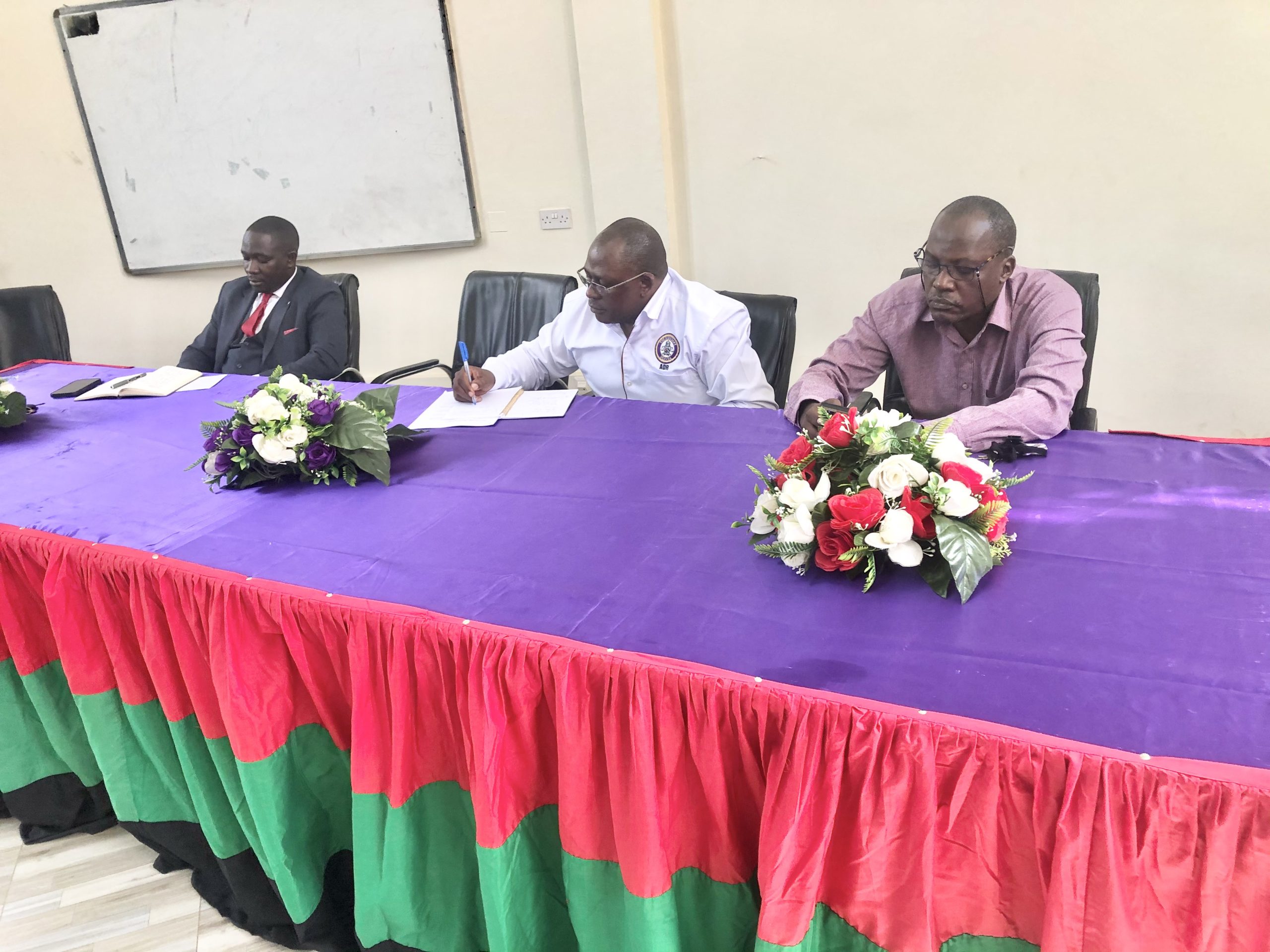
The keynote address was delivered by Dr. Daniel Ruhweza – Senior Lecturer and Head Law and Jurisprudence at SoL, and a criminal justice expert. Dr. Ruhweza warned that Uganda’s criminal justice system stands at a critical constitutional crossroad, increasingly strained by prolonged remands, the military trial of civilians, and political pressure. Drawing on historic regional and domestic case law, he argued that true criminal justice is not measured by high conviction rates or state punitive capacity, but by the lawful, transparent, and courageous application of power. He emphasized that the nation’s robust constitutional safeguards must be translated from formal, abstract legality into a lived operational reality, urging legal practitioners and public officials to prioritize institutional restraint, procedural fairness, and constitutional duty over political expediency and public impatience.
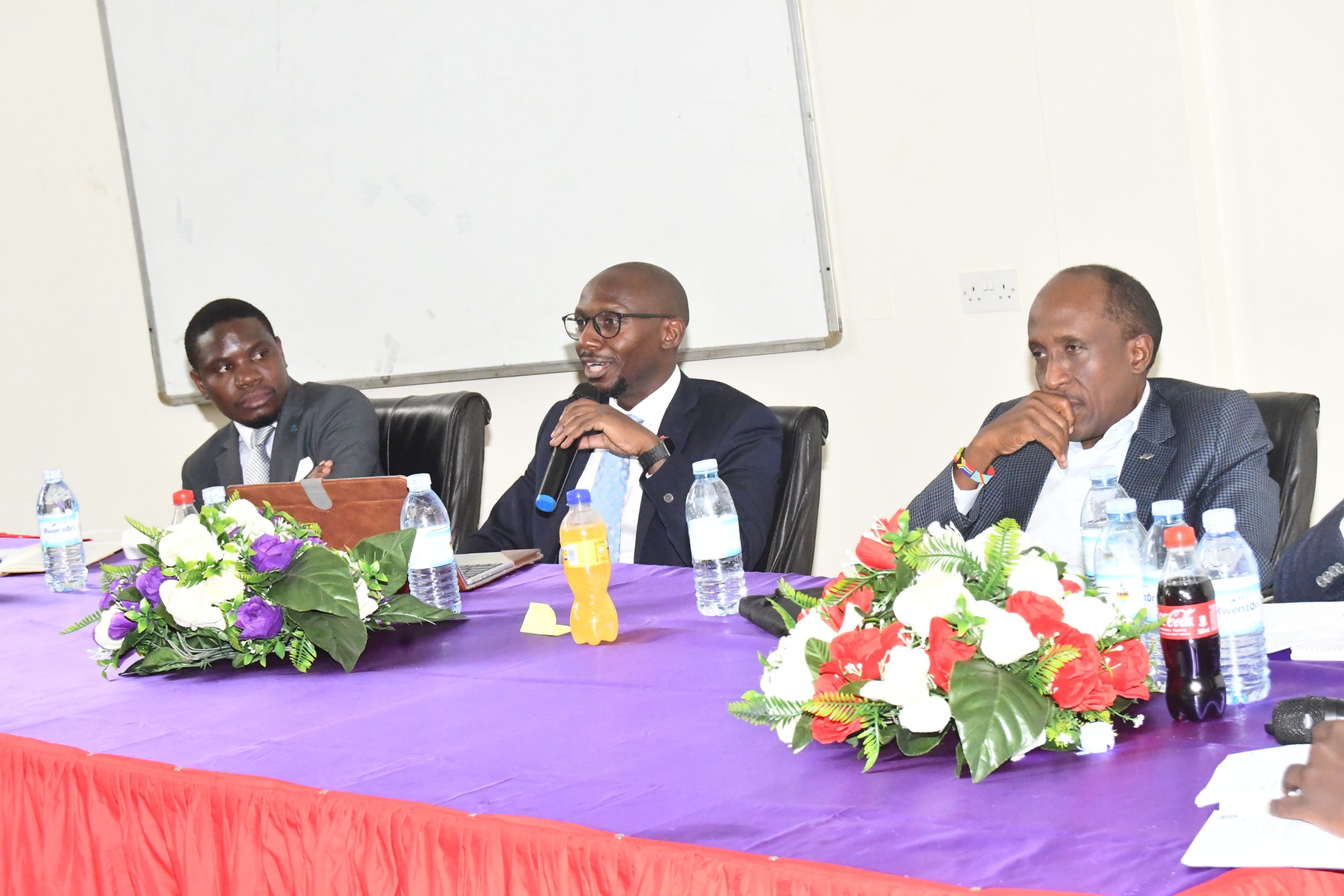
Panel discussion and plenary session during the conference examined challenges in the criminal justice system including controversial use of military courts to try civilians, highlighting tensions between national security concerns and constitutional fair trial rights as outline in Article 28 of the Constitution. Panelists questioned structural weaknesses and independence within the General Court Martial and gaps that leave civilian detainees in legal uncertainty. Overall, the discussions reflected the challenge of balancing state authority with constitutionalism and human rights.
Some of the key issues identified during discussions at the conference affecting the criminal justice system in Uganda are highlighted below.
- The Influence of Colonial and National History
- Historical Precedent of Control: Panelists and participants raised the issue of heavy influence by Uganda’s history. From the colonial era (dating back to 1894) through the post-independence crises of the 1960s to 1980s, the military has historically associated with factionalism and criminality.
- Discipline as a Justification: Proponents argue that the strict enforcement of military discipline was what originally restored public trust in security forces (the NRA/UPDF), and that maintaining this strict discipline requires unique legal instruments that cannot completely exclude civilian threats.
- The Proportionality and Limits of Military Jurisdiction over Civilians
- The Case for Limited Jurisdiction: It was argued that limited military jurisdiction over civilians is practically necessary. This is driven by the state’s legitimate interest in preventing the proliferation of military-grade weapons, deterring collaboration between civilians and armed personnel, and addressing severe backlogs and limited forensic capacities in civilian courts.
- The Problem of “Drawing the Line”: It was highlighted that a central challenge is determining the exact boundary of the power of military courts. It was noted that if military jurisdiction over civilians is permitted, it must remain strictly exceptional, narrowly tailored, and subject to clear constitutional supervision and judicial oversight.
- Legal Integrity and Institutional Deficiencies of Military Courts
- Lack of Structural Safeguards: In landmark legal challenges (such as the Kabaziguruka case), courts identified deep structural deficiencies in Uganda’s Court Martial system. It was explained that critics argue the military courts operate as an all-in-one institution—handling investigation, arrest, prosecution, and sentencing—which fundamentally undermines its independence.
- Optics vs. Substance in Legal Reforms: Although Parliament introduced legislative amendments to the UPDF (Uganda Peoples’ Defence Forces) Act to add legal qualifications and declarations of independence for the Court Martial chairperson, a key debate is whether these reforms genuinely fixed the structural flaws or merely improved political optics.
- The Implementation Gap and “Legal Limbo”
- Disregard for Supreme Court Rulings: There is a pronounced “implementation gap” where historical and recent Supreme Court directives ordering the transfer of civilians from military courts to ordinary civilian courts have ignored or delayed execution by the state.
- Extended Detention without Trial: Due to the above mentioned implementation failures, numerous civilians (including those affiliated with political opposition groups like the National Unity Platform) have been held in custody for five years or more (e.g., from 2021 to 2026) without a concluded trial, leaving them trapped in what judges describe as an “indeterminate legal state” or “legal limbo.”
- Denial of Bail: Despite prolonged trial delays and the constitutional presumption of innocence, military courts routinely deny bail to these civilian detainees, using justifications like “preserving procedural integrity” over protecting substantive fundamental rights.
- Constitutional Strain and Inter-Branch Tension: Executive vs. Judiciary Friction: There is a visible, direct strain between the branches of government. For instance, following the Kabaziguruka ruling, the President publicly criticized the Supreme Court’s decision as “judicially wrong” and influenced by “foreign-orientated judicial thinking,” highlighting a clash between executive national security priorities and judicial enforcement of fair trial rights (Article 28 of the Constitution).