13th Edition of the CLE Moot Competition
The Public Interest Law (PILAC) held its 13th Clinical Legal Education (CLE) Moot on 14th May 2026 in the Makerere University School of Law (SoL) Moot Court Room. The CLE Moot is one of the clinical activities forming part of the experiential learning approach used by PILAC in its CLE class.

This Moot gives CLE students the opportunity to build their court advocacy skills, including case research and preparation, oratory and case presentation, court etiquette and teamwork, among others. This is in addition to exposing students to emerging areas of law and legal dilemmas that require specialised legal knowledge and talent to resolve. The uniqueness of this Moot lies in the fact that it is presided over by real judges, drawing mainly from the High Court. This is a result of the collaboration between the School of Law and the Judiciary of Uganda.

The Case and Arguments
This year, the theme of the moot was, ‘Rapid Economic Liberalisation and Urban Growth as drivers of inequity, weakened accountability, strained public infrastructure, and conflict between traders and the state’.

The Moot was presided over by a panel of three High Court Judges: Hon. Lady Justice Jane Okuo Kajuga, Hon. Justice Isa Serunkuma and Hon. Lady Justice Alice Komuhangi Khaukha. The moot problem focused on two unique and interrelated issues. First were legal questions around public-private partnerships and the nature of the legal obligations they impose on the state. Second, there were questions about the state’s obligations regarding human rights abuses arising from the actions of private actors under public-private partnership arrangements.
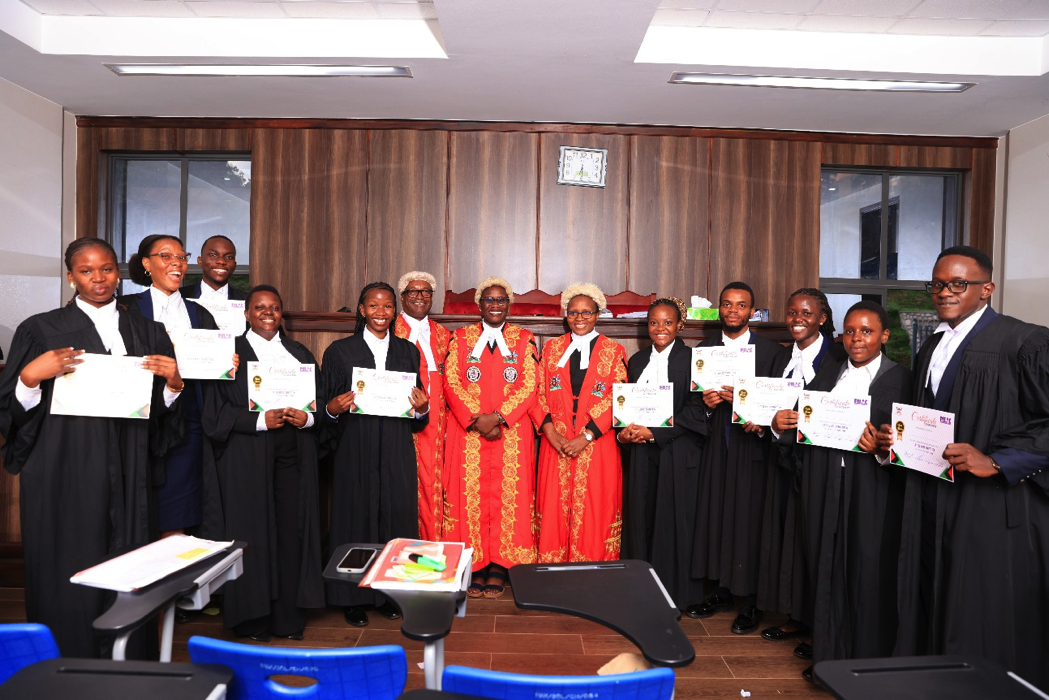
L-R: The presiding judges – Hon Justice Isa Serunkuma, Hon. Lady Justice Jane Okuo Kajuga, Hon Lady Justice Alice Komuhangi Khauka with Mayanja Owen who was named the best oralist at the moot competition
A compelling display of legal advocacy, a mock human rights enforcement petition highlighted the rising tide of climate litigation across Africa, tackling the devastating human toll of environmental disasters and the inadequacy of state responses. The fictional case centred on a catastrophic flood that destroyed local businesses, displaced scores of traders, and tragically claimed the lives of a mother and her infant child.
 At the heart of the legal arguments was the state’s defence: a flat-rate compensation package that critics argued barely scratched the surface of the community’s profound losses. The petition cut straight to a definitive and increasingly urgent question facing the African continent: When climate-related disasters hit already vulnerable communities, and the state fails in its constitutional duty to protect the right to a clean and healthy environment, what does the law actually require? The answer put forward by the petitioners was unwavering: the law requires a meaningful, comprehensive remedy—not mere sympathy, and certainly not token payments.

While climate litigation in Africa is still in its infancy, legal scholars note it is growing rapidly out of sheer necessity. As environmental obligations are too often treated by governments as aspirational goals rather than enforceable duties, the courtroom is emerging as a vital arena to bridge the gap between state promises and true accountability.
Highlights of the Competition and Recognition of Best Performers
A total of 30 students participated in the Moot, under three teams: Applicants, Respondents, and Amicus. After weeks of preparations, the students wore their lawyers’ robes and had the chance to appear before the panel of judges, each presenting their arguments in a passionate and eloquent manner.
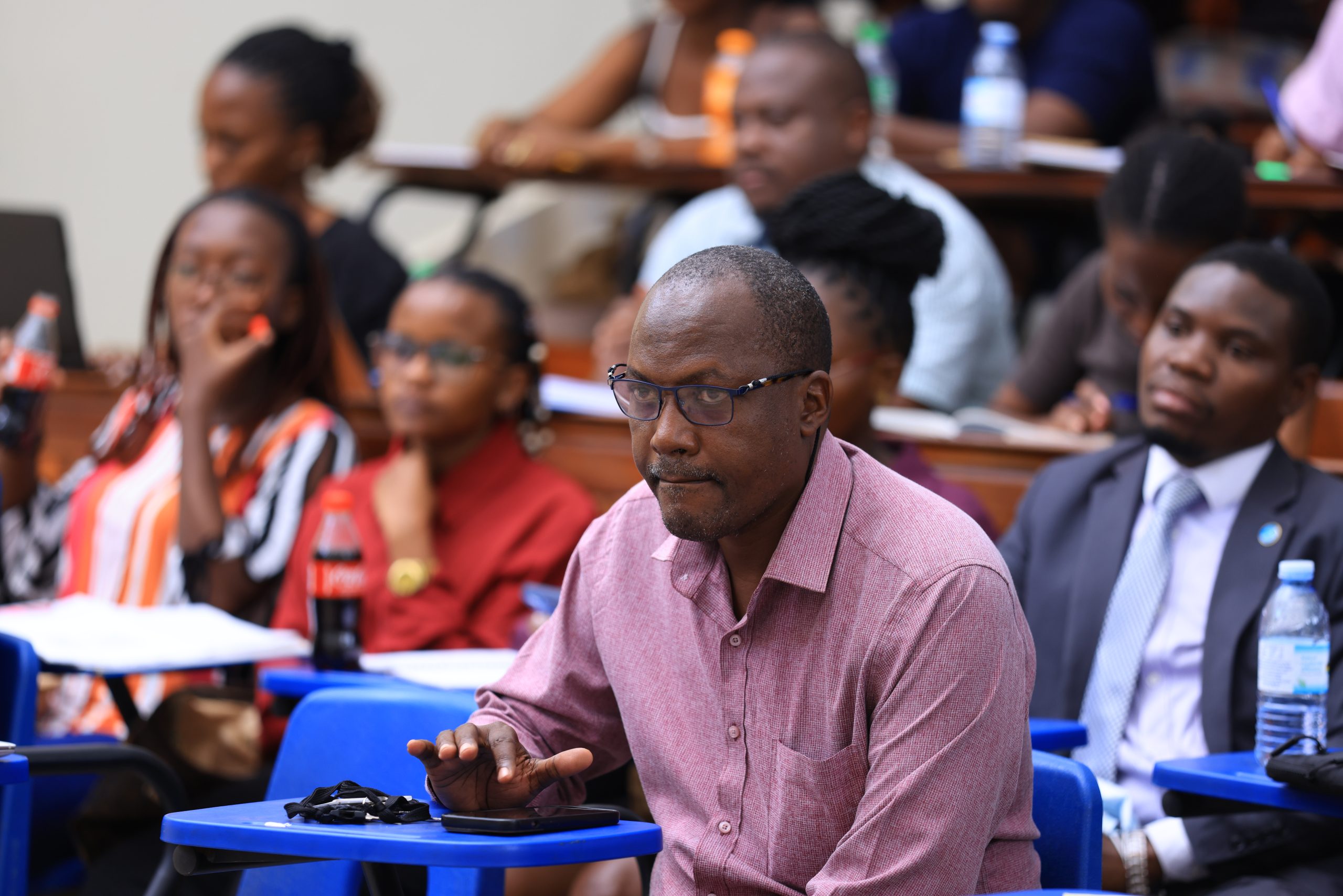
At the end of the competition, the judges gave their feedback, expressing appreciation for the level of performance and preparedness of the teams. Some were complimented for performing better than some of the advocates who appear before the judges in court. The judges also provided tips and guidance for the purpose of enabling the students to improve their performance.

In his remarks, Professor Christopher Mbazira, the PILAC Coordinator, commended the students for their hard work and appreciated the judges for taking time off their busy court dockets to support the School in skilling the young future legal professionals. Each of the judges was recognised with a plaque of appreciation.

For his exceptional performance, Mayanja Owen was named Best Oralist of the competition. The Amicus team were recognised as the winning team from the presentations. Reflecting on the weight of the subject matter, the participating students expressed deep gratitude to the judging panel, their teammates who shared the immense burden of the case, and the instructors who guided them through weeks of demanding preparations.
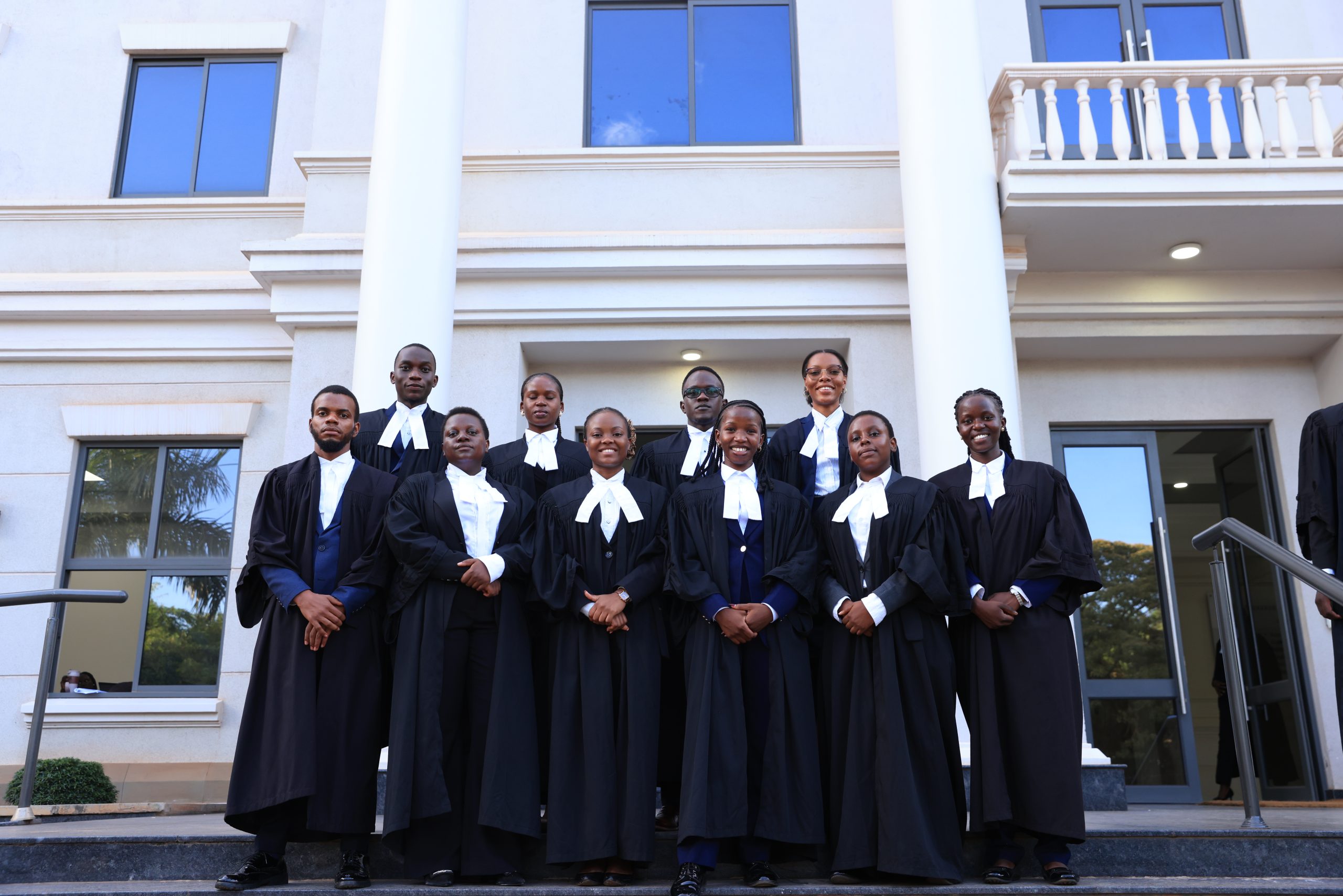
The Amicus team who were recognised as the winning team with the presiding judges