School of Law wraps 2025 with three Successful LLD Defences
The Makerere University School of Law has ended the year on a distinguished note, celebrating the successful defence of three Doctor of Laws (LLD) theses—an achievement that reflects the School’s growing research strength and its commitment to advancing legal scholarship in Uganda and beyond.
The three doctoral candidates presented rigorous research tackling contemporary legal challenges and offering fresh insights into governance, justice, human rights, and policy. Their work contributes significantly to national dialogue and the global body of legal knowledge.
The studies of the three LLD candidates are detailed below.
- Lydia Namateefu Kisekka study was, ‘Appraising the Relationship between the Law on Land Registration and Land Grabbing in Uganda: A Case Study of Kayunga District’.
 Ms. Lydia Namateefu Kisekka
The study investigated the link between land registration laws and land grabbing in Kayunga District in central Uganda. Uganda’s legal framework governing land recognises four tenure systems namely customary, freehold, leasehold, and mailo. Theoretically, these tenurial systems provide for security and effective land administration. They are, however, insufficient to eliminate all forms of land insecurity such as land grabbing and violent land evictions in Kayunga District.

The study identified and interrogated the challenges and opportunities in preventing and resolving land-related conflicts in the area of study. Theoretically, the study relied heavily on the Production Theory and Conflicts, and Property Theories. Methodologically, the study was guided by the interpretivist research philosophy and employed a cross-sectional qualitative case study design complemented by a doctrinal legal approach.
- Oscar Kambona studied, ‘Analysis of the Powers of Uganda Revenue Authority in Relation to the Taxpayers’ Rights to Property and Privacy in Uganda’.

Mr. Oscar Kambona
The study assessed the connection between tax enforcement and rights to property and privacy and specifically how human rights-compliant are the enforcement measures. The focus is on the powers granted to the URA to enforce compliance with tax payments. The study employs qualitative methods to establish the nature and extent of infringement of taxpayer’s rights to property and privacy during the tax enforcement process. The study argues that the legal and institutional framework regarding tax enforcement infringes the taxpayers’ rights to property and privacy, and this affects taxpayer compliance.
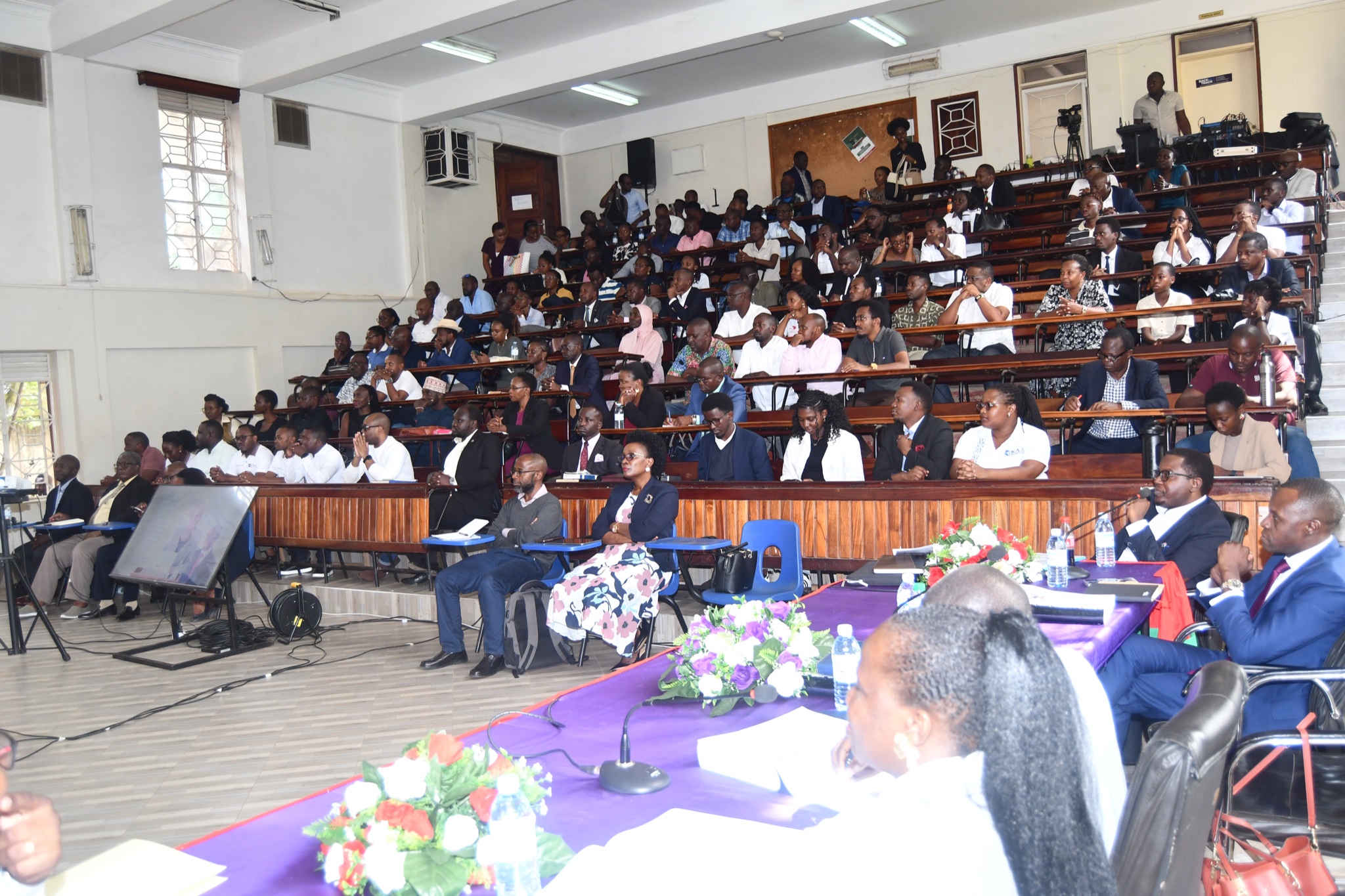
The study highlighted that despite the infringement, there are certain safeguards towards the realisation of the rights. The study contends that in structuring a workable tax collection process, the government should build a system that recognizes taxpayers’ rights. A departure from this position leads to low tax morale affecting the domestic revenue mobilisation process. Ultimately, the study emphasises the need for a full realisation of the taxpayers’ rights on the part of the URA and of the inseparable nexus between human rights and tax compliance. The study recommends the establishment of a tax ombudsman in Uganda with powers to investigate taxpayers’ complaints with the aim of ensuring that the rights of taxpayers’ are respected in the tax collection process.
- Ndayishimiye Aimé Fidèle study was, ‘An Examination of the Effectiveness of the East African Court Of Justice in the Adjudication of Civil and Political Rights Cases’.
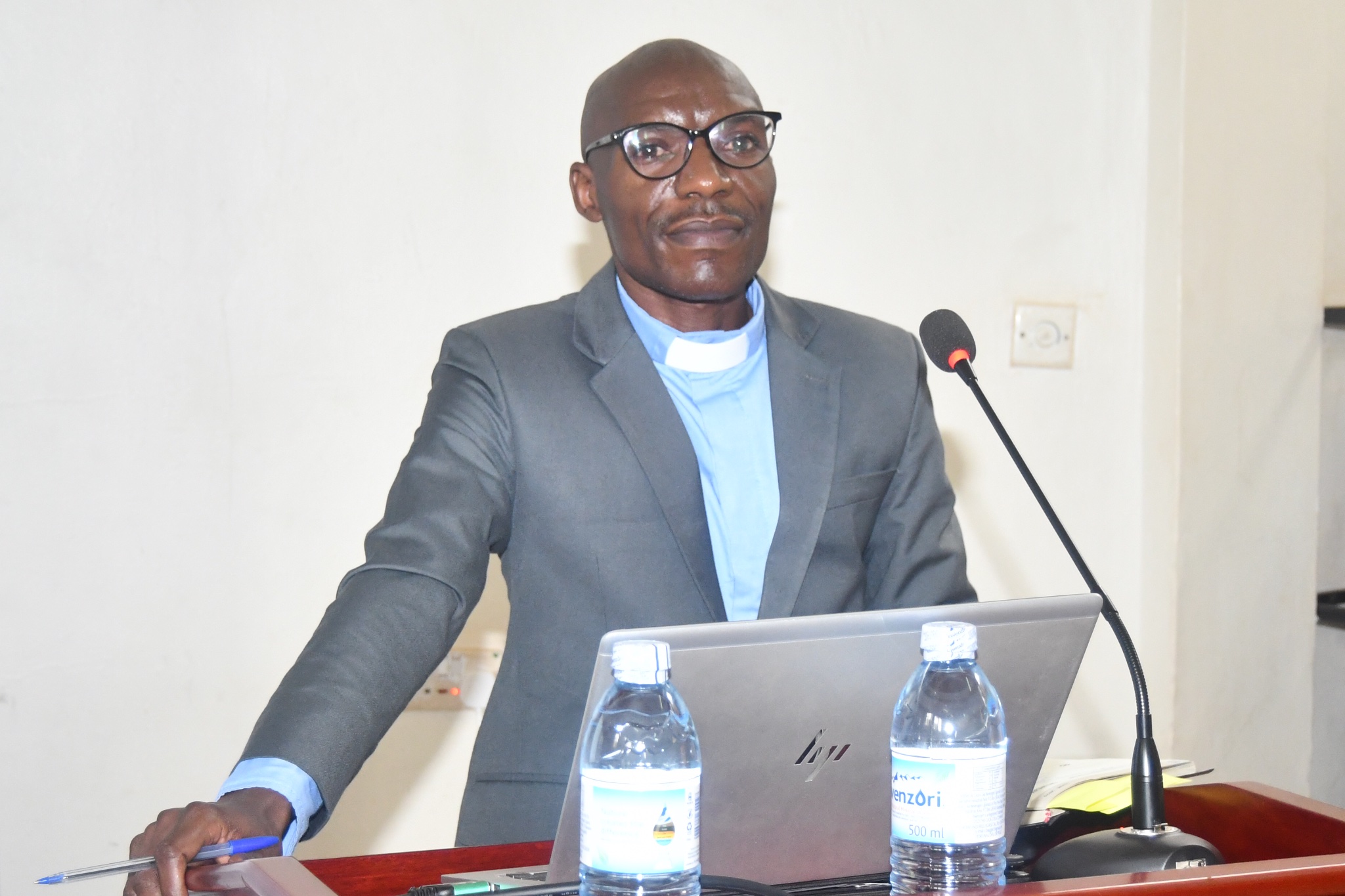
Mr. Ndayishimiye Aimé Fidèle
This study sets out to examine the effectiveness of this court in this regard. It argues that the EACJ’s jurisdictional framework coupled with other institutional challenges undermine the effectiveness of the Court in protecting civil and political rights (CPRs) in the community. To this end, the study critically examines the EACJ Treaty regime and institutional weakness within EAC States and thus assesses their impact on the Court’s effectiveness in the protection of CPRs within the East African region.

Using a socio-legal analysis, the study finds that structural deficiencies within the EAC treaty and the prevailing EAC Partner Sates political regimes tremendously undermine the Court’s endeavour to enforce human rights and foster the integration sought by East Africans. Yet, it also reveals that despite this challenging working environment, the Court, relying on its creative approach, has been able to articulate and assert a kind of human rights related jurisdiction, and thus to adjudicate CPR cases.
School of Law leadership commended the candidates for their intellectual discipline and perseverance throughout their doctoral journeys. They noted that the quality of the defenses demonstrated the School’s strong supervisory culture and its increasingly vibrant research environment.
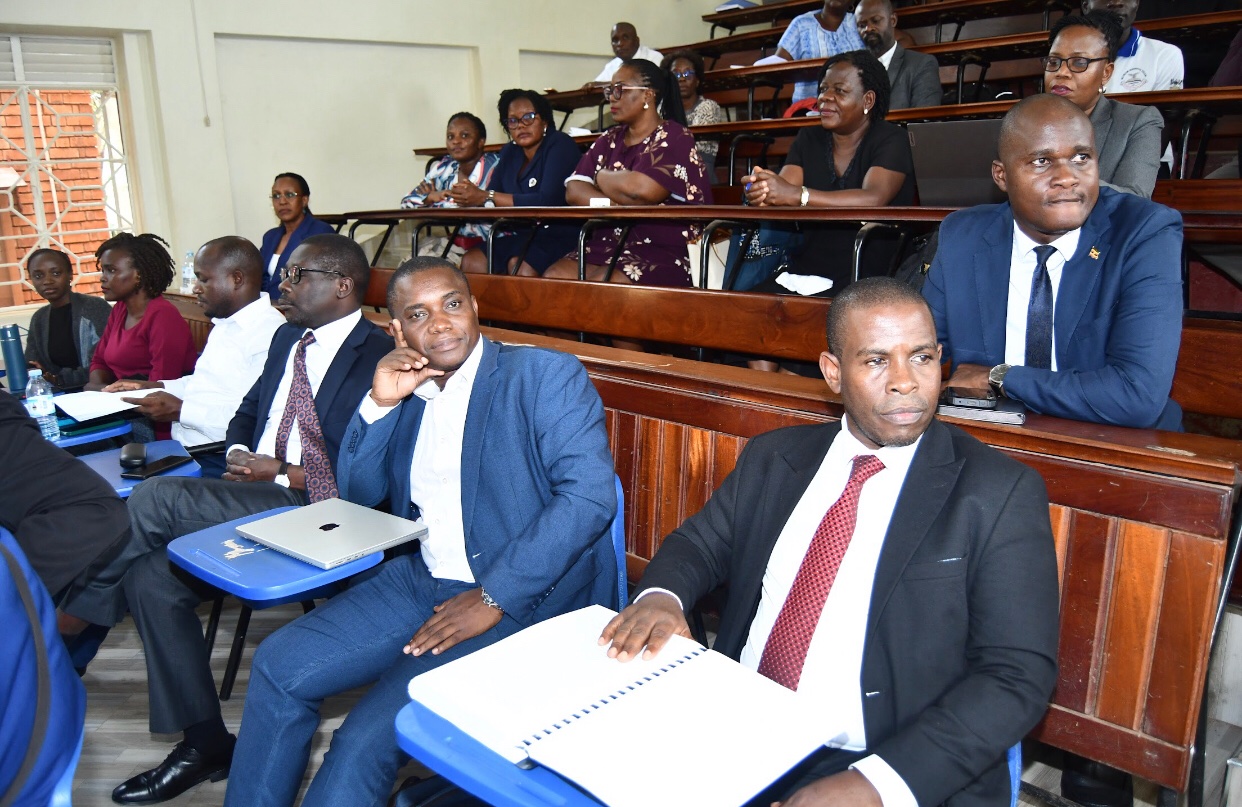
The successful defences mark an inspiring end to the academic year for the School of Law. As the School continues to expand its research footprint, this milestone reinforces its role as a leading centre for legal scholarship in the region.